Spanish movie-actor shows plight of Saharawis in poignant film documentary

الشروق أونلاين
-
-
1631
-
0
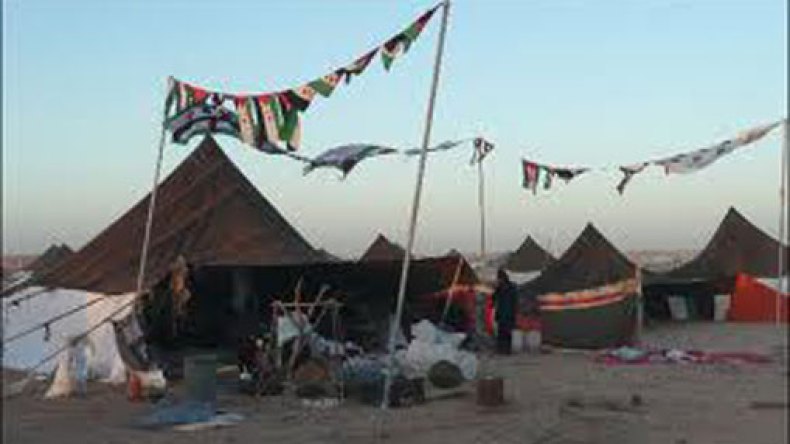
Stunned by squalid conditions he saw when he first travelled to Saharawi refugee camps in southwestern Algeria four years ago, renowned Spanish actor Javier Bardem has told the story of the former Spanish colony in North-Western Africa in a new eye-catching film documentary.
- “Sons of the Clouds”, a documentary film which screened at the Berlin film festival in January and premiered this weekend in Spain, was produced by and stars famous actor Javier Bardem, who won an Oscar for his role as a stoic hitman in the Coen Brothers’ “No Country for Old Men.”
- “The documentary was born out of necessity to help these long-neglected people,” Bardem, 43, said last week on Spanish radio.
- The plight of the Saharawis, former residents of Western Sahara who now live in refugee camps in neighboring Algeria, is one of the world’s forgotten conflicts.
- But it is a cause close to the hearts of many Spaniards, who take hundreds of Saharawi children into their homes every year over the summer holidays and organise a yearly film festival in the Saharawi refugee camps.
- “Sons of the Clouds” features more than 70 interviews with experts, politicians and analysts who try to explain the situation in Western Sahara which, as a Spanish province in the 1960s, guaranteed Spanish nationality to its inhabitants.
- “We want people to draw their own conclusions”, Bardem said.
- Western Sahara, bordered by Morocco, Algeria, Mauritania and the Atlantic Ocean, was a Spanish colony until November 1975 before Morocco annexed it and sent more than 300,000 civilian settlers into the disputed territory.
- Around 150,000 Saharawis fled the region and have lived in exile deep in Algeria’s desert region of Tindouf for 37 years. They eagerly want to return to their homeland and inhabit their own, free country.
- An independence movement, the Polisario Front, waged a war against Morocco until the United Nations brokered a cease-fire in 1991 on the promise of a self-determination referendum to decide the fate of the territory, which is about the size of Britain and boasts phosphates, fisheries and, potentially, oil and gas.
- Differences between the two sides over who would be eligible to vote undermined the referendum and today, the Rabat authorities offer only limited autonomy to what it considers its southern provinces.
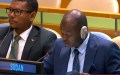
- “Enough is enough, no more delays, the time has come for a just and lasting solution. The people of Western Sahara must be allowed to speak out,” Javier Bardem said last October in a plea before U.N. General Assembly’s decolonization committee.
- Spanish human-rights activists and politicians have been blocked by Moroccan forces from entering the territory on fact-finding missions.
- Rabat has criticised the U.N. envoy to the contested territory, Christopher Ross, and a U.N. report, published last month, which suggested Morocco may have been spying on the world body’s peace monitoring force.
- Morocco and the Polisario Front have held several rounds of talks mediated by the U.N. over the past five years, but none have made any tangible progress.
- Bardem’s film will be shown in the European Parliament on May 29.
-
-