The Moroccan Regime Seeks Relief Through Russian Coal
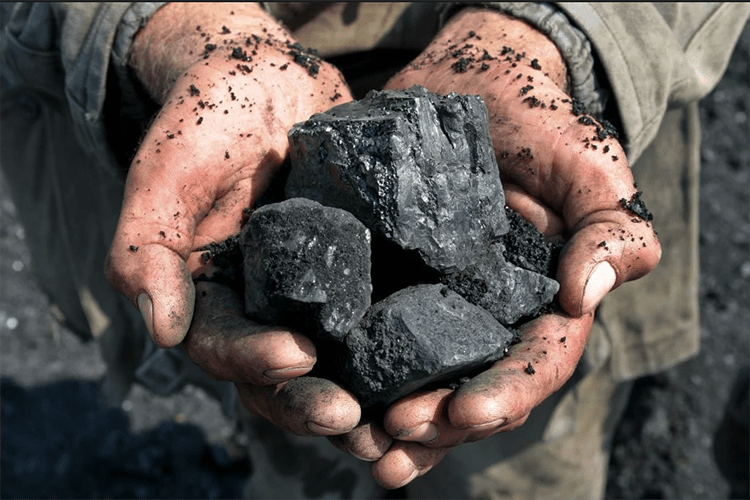
The Moroccan regime has found no solution to its escalating energy crisis other than returning to coal, one of the most polluting energy sources. It has decided to turn to Russia to import coal, despite Russia being subject to US and European sanctions.
This move comes as Morocco faces mounting pressure to secure affordable energy for its population and industries. While the government claims that importing Russian coal is a temporary measure, critics argue that it undermines global efforts to transition to cleaner energy sources and could have long-term environmental consequences.
An energy website reports that the Moroccan regime now imports coal to address the kingdom’s energy crisis, which threatens to trigger a serious social explosion. Government interventions have failed to curb the alarming rise in cooking and heating gas prices, a consequence of the price surge in global energy markets following the illegal, Zionist-American war on Iran.
Observers note that Morocco’s reliance on Russian coal is part of a broader trend among countries struggling with volatile energy markets. However, this strategy exposes the kingdom to potential diplomatic tensions amid ongoing sanctions against Russia. Additionally, environmental activists warn that increased coal consumption could derail Morocco’s previous commitments to renewable energy development.
The Moroccan government can no longer obtain the oil and gas its people need from global markets due to the ongoing and serious crisis in the Middle East and the alarming rise in prices. The Moroccan regime now faces a major economic and social crisis that threatens the monarchy’s survival.
The Moroccan regime has found itself isolated, even by its traditional allies in Europe, due to the crisis in the Middle East, which has led them to prioritise their own interests. Rabat now experiences severe isolation. Unfortunately for Morocco, its main ally in the Arabian Gulf, the United Arab Emirates—historically a source of support during crises—faces a serious and unprecedented situation as Iranian missiles and drones target its territory.
Observers warn that Morocco’s internal situation is deteriorating, as rampant inflation and unemployment worsen amid the ongoing Middle East crisis. The regime struggles to keep pace with rising prices of essential commodities in global markets, including oil, gas, and other resources affected by the energy crisis. Additionally, Morocco has not received its usual foreign aid, as its allies now focus on their own crises. These pressures could prompt popular protests that might destabilise the regime and trigger waves of illegal migration to northern neighbours.
Morocco imports energy resources from Russia, a country currently under EU and US sanctions. This move will likely anger EU and US officials, who regard King Mohammed VI of Morocco as an ally.
Morocco previously received substantial amounts of Algerian gas in exchange for allowing the Maghreb-European gas pipeline to pass through its territory and in return for dollar-denominated payments. However, Morocco’s repeated interference in Algerian affairs and its growing hostility prompted Algeria to halt the pipeline’s operation.