Algeria Bank forbids Algerians from investing abroad

-
-
1217
-
0
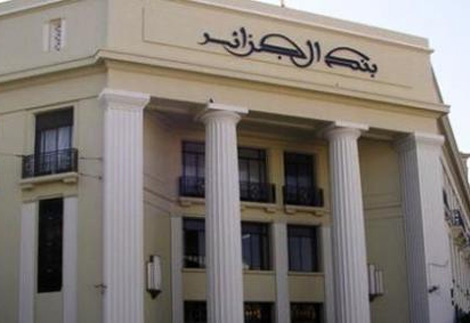
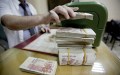
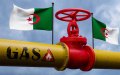
Algerian banks liquidity was not used in an appropriate way to fund investments and enable the country to diversify its economy as hydrocarbons constitute 98.7 percent of its hard currency incomes, according to a report released by the Bank of Algeria.
“The $6-billion-liquidity of banks is a heavy burden on the Bank of Algeria which has to manage it in order to protect the national economy from inflation,” governor of the Bank of Algeria Mohamed Laksaci said.
Algerian banks find difficulties in using available liquidity as the half of it is short term savings which can not be exploited in medium and long term investments.
The governor said growth is expected thanks to new measures taken by the government to facilitate access to banking loans for small and medium enterprises and real-estate promotion sector. “Yet, the main hindrance is the weakness of national achievement capacities.”
According to the same report, there is a structural deficit in exploiting liquidity which resulted from oil prices increase in the last decades.
“Algerians who do not have economic activities of the same nature in Algeria are not allowed to export hard currency to fund investments abroad,” Laksaci told Echorouk.
This ban deprived Algeria of exploiting huge opportunities to diversify its economy by buying shares in world companies or setting up investments abroad.
The Bank of Algeria stressed the necessity of going for more positive contribution of Algerian banks in funding and diversifying economy.