Algerian Gas Triple Gains Amid Middle East Conflict
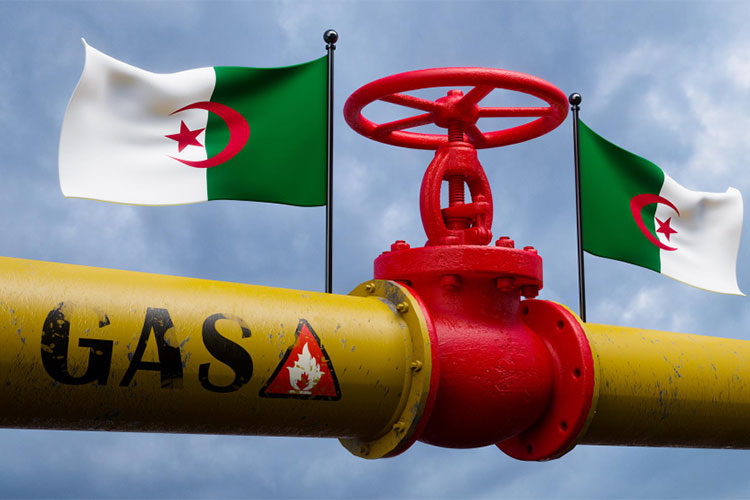
Following approximately six weeks of conflict in the Middle East, global energy markets are beginning to feel the effects. This situation has created what can be considered a triple advantage for Algerian gas on the international stage. The three benefits include higher prices for additional exports, improved contract terms, and a linkage between contract prices and record-high oil prices. As a result, Algeria’s hard currency revenues are poised to increase from three main gas-related sources.
The first aspect is clear: Algeria has been offering additional gas on the international market at prevailing market prices rather than the lower prices stipulated in long-term contracts. Recent reports from Spanish media confirm that Madrid has requested more gas from Algeria, indicating that negotiations will be based on current international market prices.
In early February, Algeria and Italy initiated negotiations to review and renew contracts for Algerian gas supplies. These discussions, aimed at securing energy supplies and strengthening their strategic partnership, coincided with a visit to Algeria by Italian Minister of the Environment and Energy Security, Gilberto Pichetto Fratin.
Long-term gas contracts typically offer lower prices compared to the spot market but require buyers to commit to specific quantities under a “take-or-pay” mechanism. This obligates customers to pay for the contracted amounts, even if they are not fully delivered.
The second point relates to the pricing mechanism for Algerian gas in long-term contracts. These prices are generally indexed to the price of crude oil. As a result, the increase in oil prices since the end of February has directly influenced the prices of exported gas, leading to a significant rise in value and subsequently boosting revenue for the state treasury.
The third benefit lies in Algeria’s capacity to review the pricing terms of its bilateral natural gas sales and purchase contracts. This flexibility is based on clauses Sonatrach incorporated during contract reviews in 2022, following the Russian-Ukrainian war. These clauses allow for renegotiation in response to significant increases in global prices, ensuring that contracts remain aligned with international market dynamics. It has become unsustainable to continue supplying gas to a partner when the price disparity between the contracts and market realities has reached unreasonable levels.
In light of the recent US-Israeli conflict with Iran, Italian Prime Minister Giorgia Meloni visited Algeria on March 25 to bolster the energy partnership and secure gas supplies, especially since Italy is the largest buyer of Algerian gas, accounting for approximately 35% of its imports of this vital energy resource.
Just one day later, Spanish Foreign Minister José Manuel Albares arrived in Algeria for an official working visit—the first by a Spanish government official since 2021—aimed at enhancing energy security and ensuring natural gas supplies.