Former Minister Arezki Berraki Faces Trial July 14 Over DZD6B Corruption Scandal
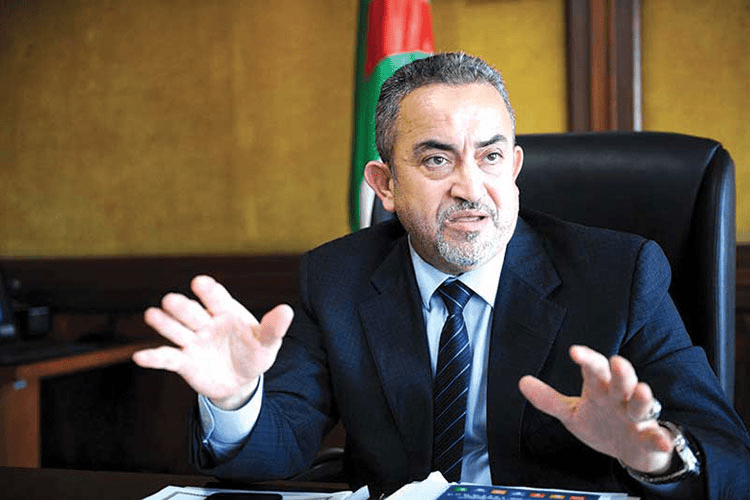
Algiers- The Economic and Financial Criminal Division Court of Sidi M’Hamed has set July 14 as the date for the trial of former Minister of Water Resources Arezki Berraki, along with the former Director General of the National Agency of Dams “M.M” his successor at the same agency “B.C.O”, and other defendants.
The case involves serious corruption allegations related to the project to reinforce the Majez El-Bgar Dam in Guelma, eastern Algeria, which allegedly cost the public treasury nearly DZD 6 billion.
The postponement was granted at the request of the defense lawyers to allow them more time to review the case file. After the detained defendants, led by Arezki Berraki, as well as those who were not in custody, entered the courtroom, the judge began calling the names of the defendants, witnesses, and civil parties involved in the case. The court then announced that the trial would be postponed until July 14.
Former Minister Arezki Berraki and the other defendants are facing serious charges, including the misdemeanor offense of exploiting actual or presumed influence within a public administration or authority to obtain undue benefits; the intentional misuse of public office to carry out actions that violate laws and regulations in order to grant unjustified advantages to others; misappropriation of public funds; and granting unjustified privileges to others during the conclusion of a contract or public procurement agreement with the state or one of its institutions in violation of legal and regulatory provisions.
These charges fall under Articles 26, 29, 32, 33, and 48 of Algeria’s Law on the Prevention and Combating of Corruption.
The owner of the private company that benefited from the Majez El-Bgar Dam reinforcement project in Guelma, identified as “R.H,” is also facing charges. These include inciting public officials to abuse their actual or presumed influence in order to obtain an undue advantage, benefiting from unjustified privileges during the awarding of a contract or public procurement deal with the state or one of its affiliated institutions, participating in the misappropriation of public funds, and money laundering.
The case was investigated by the Regional Judicial Investigation Department in Algiers, which uncovered alleged corruption within the National Agency of Dams and Transfers. According to the investigation, the agency was vulnerable to practices involving the misuse of public funds in previous years, including the allegedly suspicious awarding of a contract to a private company owned by “R.H” for the Majez El-Bgar Dam reinforcement project, intended for agricultural irrigation in the municipality of Ain Makhlouf, Guelma. The original value of the contract was estimated at around DZD 1.3 billion.
However, according to the security authorities’ investigation, the project’s cost later nearly quadrupled, exceeding DZD 5.8 billion. This increase was allegedly caused by the signing of additional contract amendments whose value surpassed the original contract amount. These amendments had reportedly not been agreed upon between the National Agency of Dams and the company benefiting from the project.
The investigation identified three such amendments, with the project reportedly being changed from merely reinforcing the dam to increasing its height. The second amendment alone cost more than DZD 2.3 billion, while the third exceeded DZD 750 million, along with other alleged irregularities, resulting in losses to the public treasury of more than DZD 5.8 billion.
The case comes as part of Algeria’s ongoing efforts to combat corruption and strengthen accountability in the management of public funds. In recent years, Algerian authorities have pursued several high-profile corruption investigations involving former officials, public institutions, and business figures, focusing on allegations of abuse of power, misuse of state resources, and irregularities in public contracts.
Algeria has also strengthened its legal framework to fight corruption, including through the enforcement of its anti-corruption legislation, which criminalizes offenses such as bribery, influence peddling, embezzlement, and the granting of unjustified advantages in public procurement. Authorities have emphasized improving transparency and protecting public resources.