In-depth German Project Launched to Stop Energy Waste in 6 Algerian Sectors
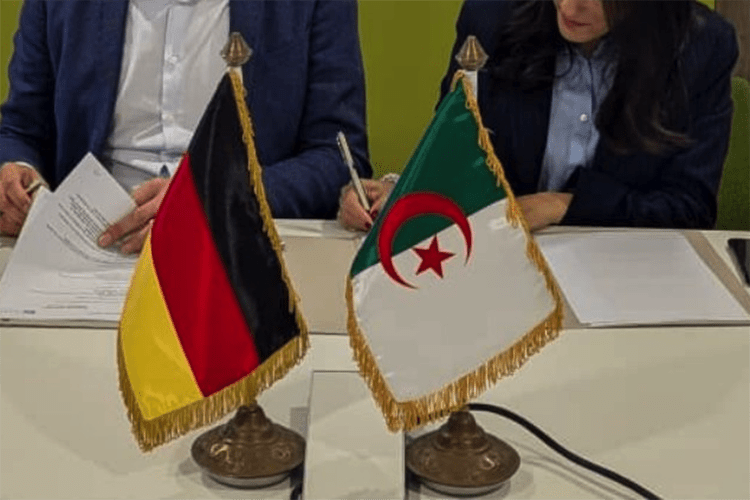
The international German consulting and engineering firm “Dorsch Impact” has officially started its project in Algeria, aimed at preparing an in-depth technical study to reduce energy waste in 6 key sectors: public buildings, residential sector, industry, transport, public lighting, and agriculture. The project will be implemented over 9 months.
The launch of the mission, according to “Echourouk,” took place through a workshop organized on Thursday, June 4, in the capital, Algiers by the “TAQATI+” program, which is an Algerian-European-German cooperation mechanism to support the development of renewable energies, energy efficiency, and green hydrogen in Algeria, and the German Agency for International Cooperation (GIZ) under the title “Energy Audit, Identification and Comparison of Solutions.”
The international German consulting and engineering firm “Dorsch Impact” announced on May 8 that it would begin implementing a new project to support Algeria in developing the regulatory framework for energy efficiency in buildings and other highly energy-consuming sectors, as part of the (TAQATI+) program, which is implemented by the German Agency for International Cooperation, funded by the German Federal Ministry for Economic Cooperation and Development.
The meeting represented the official launch of the strategic mission undertaken by the German firm “Dorsch Impact,” which aims to conduct an in-depth energy audit across several regions of the country, covering 6 essential sectors: public buildings, residential sector, industry, transport (public transportation), public lighting, and agriculture.
According to the branch of the German Agency for International Cooperation, as Algeria continues to fulfill its commitments in the field of energy transition, energy consumption control, and reduction of greenhouse gas emissions, this initiative will contribute to enhancing knowledge of energy consumption levels at the local level and identifying appropriate improvement methods tailored to the characteristics of each region.
During the workshop, participants were briefed on the mission’s objectives, scope, and various implementation stages. They also discussed the proposed methodology for data collection and analysis, exchanged views on priority intervention areas, and coordination mechanisms between relevant bodies and institutions, in addition to commencing the collection of necessary data for the diagnostic phase.
This event brought together a wide range of institutional and technical stakeholders, including the Ministry of Energy, Mines and Renewable Energies, the Ministry of Housing, Urban Planning and the City, the National Agency for the Promotion and Rationalization of Energy Use, the Electricity and Gas Regulatory Commission, the “Sonelgaz” group and its branches, as well as a number of public bodies, consulting firms, and experts active in the energy sector.
The wide attendance and active participation of various stakeholders allowed for the establishment of a close cooperation foundation that will accompany the different stages of the mission’s implementation over the next nine months, ensuring better coordination among the concerned partners and the success of the project’s objectives.
As is known, the “TAQATI+” program is co-financed by the European Union and Germany through the German Federal Ministry for Economic Cooperation and Development, while the German Agency for International Cooperation (GIZ) is responsible for its implementation under the supervision of the Ministry of Energy and Renewable Energies.