The Draft Criminalising Colonialism: MPs’ Most Prominent Proposals
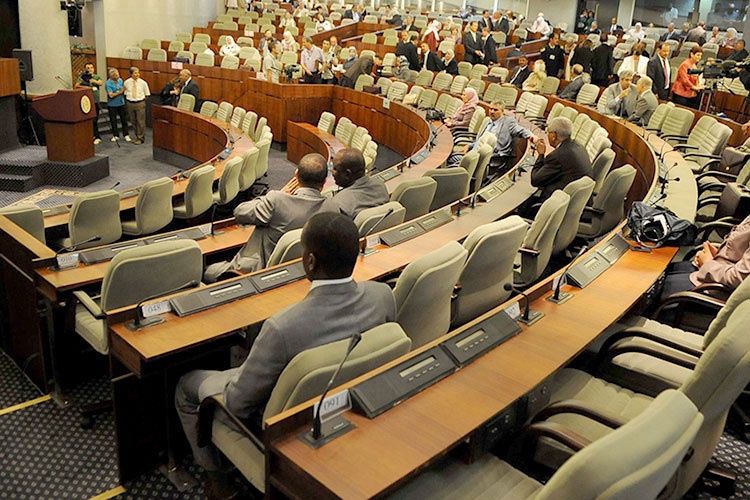
Although the National People’s Assembly (APN) members are on recess until mid-September, the parliamentary committee tasked with drafting a bill criminalising French colonialism continues its regular work, ensuring the completion of the document, which is expected to be presented at the start of the next parliamentary session.
Parliamentary sources told Echorouk that the discussion of the draft began within the Council last March in preparation for its presentation to the Bureau of the Lower House of Parliament, and will undergo careful additions and wording to ensure its adaptation to the political and legal context. It will then be transformed into a comprehensive legislative text to be presented to the MPs and the Council’s office upon resumption of work.
The draft includes 54 articles detailing the political and legal dimensions of the colonial era, holding the French state fully responsible for the crimes committed in Algeria, including massacres, displacement, and plunder of resources.
The text, which is approximately 80% complete, focuses on reaffirming the condemnation of colonialism in all its forms and restoring the material and moral rights that were violated from the beginning of the French invasion of Algeria in 1830 until independence in 1962.
The draft also includes holding France responsible for crimes against humanity, including nuclear tests in the Algerian Sahara, the genocide that claimed the lives of more than 5.6 million Algerians, and the planting of landmines, in addition to abusive practices such as the crime of nicknames and the theft of property and national heritage.
The draft emphasises that these crimes are not subject to the principle of statute of limitations or amnesty, in compliance with international humanitarian law. It also stipulates Algeria’s right to claim compensation for the material and moral damages resulting from them. It also considers official recognition, apology, and compensation for the inherent rights of the Algerian people as an absolute necessity. Based on available information, the draft also includes explicit penal provisions stipulating imprisonment or fines for anyone who promotes or glorifies French colonialism through various means of expression.
The committee, which includes representatives from parliamentary blocs and experts in law and history, relied on the collection of testimonies and data gathered in the field. Its members visited several states and regions where colonial crimes were committed to document and incorporate them into the text officially. The committee also took into account the legal complications that the 1962 Evian Accords might raise, which some experts believe could be exploited to obstruct any official efforts to hold France accountable for its crimes.
Therefore, the draft law expanded the scope of criminalisation to include all phases of the occupation spanning 132 years, by referring to crimes of genocide, ethnic cleansing, and the erasure of identity, as well as the nuclear tests in the Sahara, which left behind human and environmental damage whose effects are still felt today.
The committee’s work is proceeding in a highly confidential atmosphere, pending the official submission of the document to the National People’s Assembly at the start of the next parliamentary session, which will be the last of the ninth legislative term. Current MPs are seeking to pass this historic bill and achieve a significant accomplishment, especially since previous attempts to draft a similar text failed and yielded no results.