3416 people live with HIV in Algeria

الشروق أونلاين
-
-
1127
-
0
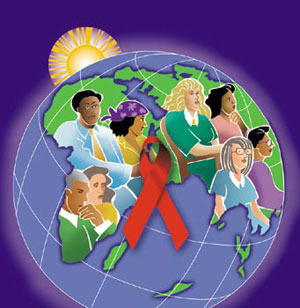
Top United Nations officials have marked World AIDS Day by calling for vigilant efforts to build on earlier successes in the fight against the global epidemic and stressed the need to eliminate discrimination against sufferers of the disease.
-
In Algeria, Mr. Mohamed Wahdi, central Director of Protection Department in the Ministry of Health said Monday that 878 HIV cases were recorded in Algeria and 3416 peoples live with HIV.
-
-
Mr. Wahdi said, during a symposium about World Aids Day at the Ministry of National Education, that Algeria contributed in the fight against Aids through establishing 60 medical centres to check HIV cases.
-
-
“There are seven regional processing centres in Bechar and Ouargla, South of Algeria, and Tlemcen, Tiaret and Sidi Belabbes, west of Algeria .We will reach 12 centres by 2008, southern localities need more centres because they are far from each others, such as Tamenrasset,” Mr Wahdi added.
-
-
He also said there are 1500 processing units, where 1200 doctors are cooperating with institutions in the the sector of Education.
-
-
Major coordinator in the Global Fund Program to Combat Aids, tuberculosis and malaria in Algeria, Mr. Farouk Zahi, said Monday; “ Algeria joined this program in 2003 and has got its first fund process in 2004”.
-
-
-
“This aid is not sufficient compared with the one given by the global fund for neighbouring countries,” the spokesman explained, during the symposium by the Ministry of Education.
-
-
“Algeria was granted $9 million during four years, Morocco 3$0 million, Tunisia $9 million and Mauritania $18 million. Algeria is registered for the next 8th and 9th rounds, which will start January 2009,” Mr. Zahi added.
-
-
“Controlling HIV centres are important establishments. The Ministry of Education can play a big role in combating Aids in Algeria,” he stressed.
-
-
-
New study by the Algerian laboratory of controlling aids (HIV) and Pasteur Institute revealed Sunday that Algeria counts 3357 HIV cases, including 872 people living with dangerous phase of HIV.
-
-
Secretary-General Ban Ki-moon pointed to the many positive steps made in tackling HIV/AIDS, including increased government support for universal access to prevention, treatment, care and support. But he cautioned that “this is just the beginning,” adding that “AIDS will not go away any time soon.”
-
In his message for the Day – which is marking its 20th anniversary this year – Mr. Ban called for sustained leadership and bolstered resources.
-
-
-
“The need to lead, empower and deliver on AIDS is as real and urgent as ever,” he said, noting the need to stamp out discrimination that prevents people from seeking treatment.
-
Echoing the Secretary-General’s call for an end to intolerance, Navi Pillay, High Commissioner for Human Rights, pointed out that “27 years after AIDS was first identified, stigma against people living with HIV is as strong as it ever was.”
-
-
-
She said people are driven underground by a combination of punitive laws on the disclosure of HIV status, the criminalization of HIV transmission, and travel bans for people with the disease, among others.
-
“Like all people, these groups are entitled to the right to health and the full enjoyment of their human rights even though they may engage in activities that are criminalized in some countries,” Ms. Pillay said in a statement.
-
-
-
“AIDS thrives on injustice and inequality,” she said, urging a human rights-based response to prevent infections and mitigate the impact of HIV.
-
-
-
Viewing the issue through the lens of women’s rights, Inés Alberdi, Executive Director of the UN Development Fund for Women (UNIFEM), appealed for equal treatment for every woman.
-
-
-
“Imagine a world where every woman, young and old, lives without fear or violence, stigma or dispossession if she decides to seek an HIV test, or treat, or support or information,” she said.
-
-
-
To make such a world a reality, women’s equal access to prevention and care must be ensured, Ms. Alberdi said.
-
-
General Assembly President Miguel D’Escoto added his voice to those marking the Day, noting that the simple facts that 2.5 million people were infected with HIV last year, and another 2.1 million died of AIDs around the world underscore the huge amount of work that remains to be done.
-
-
“Let us draw on the deep reservoirs of compassion that are within each of us to sustain our determination to conquer this disease and to care for its many victims. Let us stand together in this determination and in solidarity,” he declared.
-
-
In a related development, the UN-backed Global Fund to Fight AIDS, Tuberculosis and Malaria today announced that 2 million people living with HIV have received life-saving anti-retroviral treatment, surging over 40 per cent over last year’s results.
-
-
-
The Fund provides almost one quarter of all global resources to fight the disease, and it reported today that 62 million HIV counselling and testing sessions have been delivered to people, while 3.2 million AIDS orphans and vulnerable children have received basic care and support.
-
-
-
It also reported successes in its fight against TB and malaria, with the number of people being treated for these two diseased having increased by nearly 40 per cent and over 50 per cent, respectively.