Algeria Holds the Blueprint for the Energy Sovereignty Africa Needs
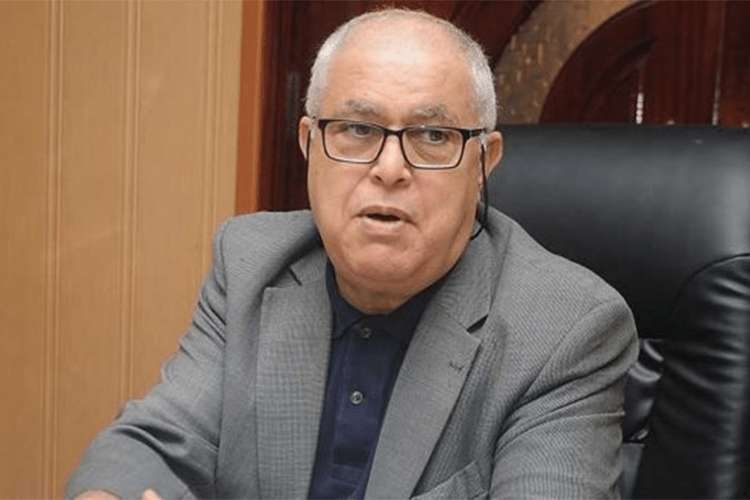
As geopolitical tensions continue to shake global energy and food markets, compelling nations to rethink their economic security strategies, former Algerian Minister of Energy and former Sonatrach CEO Abdelmadjid Attar believes Algeria offers a model that could help Africa achieve greater energy, water, and food sovereignty.
In an extensive analytical study on energy security and regional integration in Africa, published Monday in Energy Magazine, Attar highlights a striking contradiction facing the continent: despite possessing some of the world’s largest reserves of oil, natural gas, strategic minerals, and renewable energy resources, many African countries remain heavily dependent on imports of fuel, fertilizers, electricity, and other strategic commodities. This dependence, he argues, leaves the continent highly exposed to global crises and geopolitical disruptions.
To illustrate how this dependency can be overcome, Attar points to Algeria’s post-independence development strategy, which centered on reclaiming national control over natural resources. The nationalization of mining assets in 1966 and hydrocarbons in 1971 laid the foundation for a sovereign energy policy, complemented by the creation of strong national institutions such as Sonatrach and the establishment of a legislative framework capable of attracting foreign technology and investment while safeguarding national interests.
According to Attar, these strategic choices enabled Algeria to build one of Africa’s most robust energy systems. The country currently holds an estimated 12 billion barrels of proven oil reserves and approximately 2.3 trillion cubic meters of natural gas reserves, in addition to significant shale oil and shale gas potential. Annual production exceeds 100 billion cubic meters of natural gas and nearly one million barrels of oil per day.
Beyond resource extraction, Algeria has invested heavily in energy infrastructure, developing an extensive network of liquefied natural gas (LNG) facilities, refineries, and export pipelines connecting the country to European markets. This infrastructure has allowed Algeria to meet domestic demand while consolidating its role as one of the Mediterranean region’s leading energy suppliers.
However, Attar stresses that the concept of sovereignty has evolved. In today’s world, he argues, true sovereignty extends beyond hydrocarbons to encompass water security, food production, industrial capacity, and technological resilience. This broader vision has driven Algeria’s significant investments in seawater desalination, a sector increasingly vital as traditional water resources come under pressure from climate change and population growth.
Today, Algeria ranks among Africa’s leading desalination producers, Attar explained, existing facilities generate approximately 3.7 million cubic meters of desalinated water per day, with production capacity expected to reach 5.5 million cubic meters daily by 2030. At that level, he added, desalinated water could supply nearly 60% of the country’s drinking water needs.
For Attar, this achievement underscores the growing interdependence between energy security and water security. Desalination is an energy-intensive process, meaning that reliable and sovereign access to energy resources is becoming a prerequisite for ensuring both water and food security in the decades ahead.
Looking toward the future, Algeria is also accelerating its renewable energy ambitions. The country has launched a program aimed at generating 15,200 megawatts of solar power by 2035, alongside major initiatives to develop green hydrogen production for export to Europe. Attar believes these projects could reinforce Algeria’s position as a regional energy hub and a key partner in the global energy transition.
At the same time, large-scale mining projects focused on strategic resources—including iron ore, phosphates, zinc, and lead—are beginning to take shape. These developments, he argues, offer Algeria an opportunity to move beyond the export of raw materials and create integrated industrial value chains capable of supporting long-term economic diversification.
For Africa as a whole, Attar concludes, Algeria’s experience demonstrates that sovereignty is not merely a political aspiration but a strategic project built on the effective management of natural resources, investment in infrastructure, technological development, and the strengthening of national institutions. In a world increasingly defined by competition over energy, water, and critical minerals, this model may offer valuable lessons for countries seeking greater resilience and sustainable development.