Algeria-Mali Relations: Shared Geography and Demography Favor Reconciliation
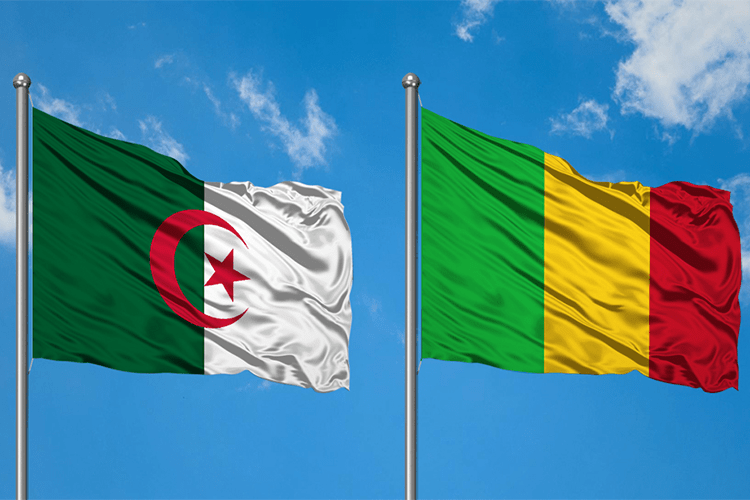
In a clear echo of recent remarks by retired Algerian diplomat Mustapha Zeghlache on the rapprochement between Algeria and Mali, Sékouba Cissé, head of foreign relations at Mali’s Association of Former Ambassadors and Consuls General, has made statements broadly aligned with those of his Algerian counterpart, stressing the importance of cooperation between the two countries to harness the vast potential of their border regions.
In an interview with the Malian newspaper L’Essor on Tuesday, August 11, Cissé called on Algiers and Bamako to work toward “developing bilateral relations through the various diplomatic channels,” which he described as the appropriate means of paving the way for a return to the historic level of relations that has been lost between the two countries.
Asked what further steps should be taken to strengthen bilateral cooperation, the foreign relations official of Mali’s Association of Ambassadors and Consuls replied: “It is important to emphasize that diplomacy encompasses many areas: political, economic and cultural, as well as parliamentary and diplomacy. In this sense, diplomacy is the opposite of military action. This means that both countries are called upon to develop these various diplomatic avenues in order to resolve the current difficulties and uphold the principles of good-neighbourliness.”
The retired Malian diplomat also highlighted the factors that could help the two countries’ bilateral ties recover swiftly while avoiding new setbacks. “Fortunately, the demarcation of the common border, carried out in the 1980s, rules out any possibility of a border dispute. Therefore, both countries should implement development projects on either side of the border to exploit the vast mineral resources found there for the benefit of their populations.”
Mustapha Zeghlache had previously written in Echorouk that Algeria needs to reconsider its traditional strategy for building relations with its southern neighbors in the Sahel, particularly Mali. He stressed the need to adopt innovative approaches that go beyond providing free aid and instead involve carefully planned investments in the country, financed through the External Cooperation Agency, which was established to support friendly African states.
According to Zeghlache, such assistance could be used to finance projects carried out by Algerian private-sector companies, following the model employed by agencies and financial arms of the European Union and major global powers such as China, Japan and Russia.
The retired Malian diplomat also pointed out that Algeria and Mali have not severed diplomatic relations, citing comments made by Malian Prime Minister Abdoulaye Maïga late last weekend.
He stressed that normalizing relations between the two neighboring countries represents the safest course of action, given that they “share history, geography and culture, and are meant to live together in a spirit of good neighbourliness. In our view, this is a welcome decision.”
In Cissé’s view, geography and demography leave the two countries little choice but to reconcile and overcome their differences, given that Algeria and Mali “share a border stretching 1,300 kilometers, a border that is relatively open because it lies in a desert region. Moreover, the populations on both sides are almost identical, share the same customs and traditions, and face the same harsh climate.”
This, the Malian diplomat explained, helps account for the large number of agreements brokered by Algeria in an effort to reconcile Mali’s central authorities in Bamako with rebel groups in the north, particularly the Tuareg-led Azawad Liberation Movement, which felt it had been subjected to injustice.
These agreements included the 1990 Tamanrasset Accord (southern Algeria), the 1992 National Pact, the 2006 Algiers Accord, and the 2015 Agreement on Peace and Reconciliation in Mali, reached through the Algiers Process.