Algeria–South Korea Deepen Cooperation Beyond Energy
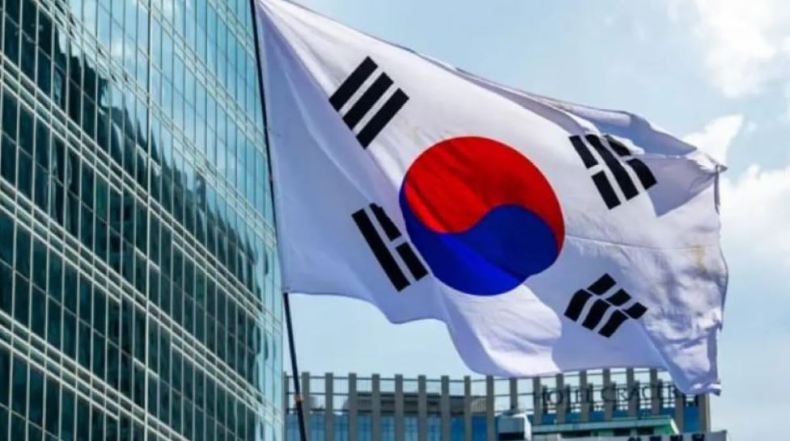
Speaking at a reception held Thursday evening to mark South Korea’s National Day, attended by Minister of Post and Telecommunications Sid Ali Zerrouki, as well as government and parliamentary representatives and members of the diplomatic corps, Ambassador Min said Algerian naphtha is used in Korean factories to manufacture plastics, automotive components and medical supplies.
Cooperation in Agriculture and Advanced Industries
Direct Air Link Between Algiers and Seoul
The ambassador also referred to the agreement reached in July on direct flights between Algiers and Seoul, stressing the importance of the new air connection in facilitating the movement of people and goods and creating additional opportunities for business and bilateral exchanges.
He expressed the embassy’s readiness to contribute to the implementation of the planned air link.
20 Years of Strategic Partnership
Speaking about bilateral relations, Min noted that 2026 marks the 20th anniversary of the strategic partnership between Algeria and South Korea.
He described the anniversary as an opportunity to take stock of what the two countries have achieved and to develop new plans for the future.
Cultural and Historical Ties
Toward the end of his remarks, the ambassador turned to cultural ties, highlighting similarities between peoples through food.
He mentioned Korean dishes such as mandu and noodles, noting that similar dishes can be found in different parts of the world. He also referred to the Algerian dish rechta, saying he had been told that its name is linked to an old word meaning “thread.”
Min also highlighted historical links between the two countries through ancient trade routes, referring to the Silk Road, trans-Saharan caravan routes and maritime routes across the Mediterranean as networks that facilitated the movement of people, goods and ideas between different regions.
The ambassador’s remarks underscored Algeria and South Korea’s intention to broaden their strategic partnership beyond traditional energy cooperation, with a growing focus on technology, manufacturing, agriculture, renewable energy, education and people-to-people exchanges.