Algeria’s Economic Social Council: fuel price raise is unavoidable

-
-
142
-
0
Algeria’s budget deficit would reach $30 billion by the end of the year. There is a need for assessing the efficiency of measures taken by the government to face the financial crisis after two years of oil price fall, according to vice-chairman of the Economic Social Council Mustapha Mkidech.
Mkidech Tuesday told a radio program that the government should speed up the implementation of the economic growth program it had approved during a tripartite meeting.
“There is a need for a preliminary assessment of the measures taken to face oil price repercussions. The government failed in estimating the crisis, a year ago. Yet, it caught up things in its complementary finance act,” he added.
Speaking about expected deficit in the 2016’s commercial balance, he said it is estimated at about $25 billion and is expected to reach $30 billion by the end of the year.
He believes that the measures taken by the government are not sufficient to face oil price fall consequences. The solution, according to him, is to boost other growth engines to mobilize additional resources in the budget to solve the deficit and improve business climate.
He stressed the necessity of revising social subsidy policy and optimizing public expenses.
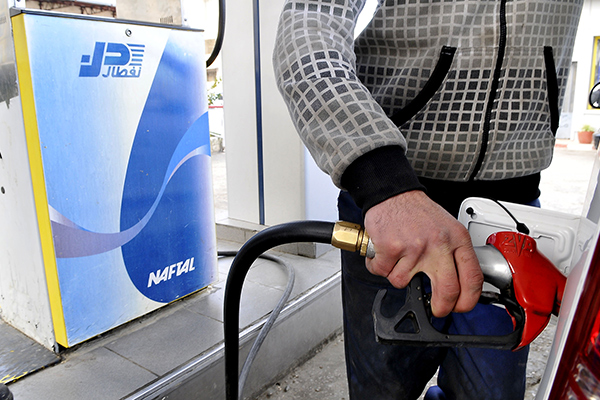
“Revising fuel prices is unavoidable as price raise set by the Finance Act 2016 is not sufficient,” he said.