Algiers “OPEC” Agreement Shows Early Signs Of Collapse

-
-
1097
-
0
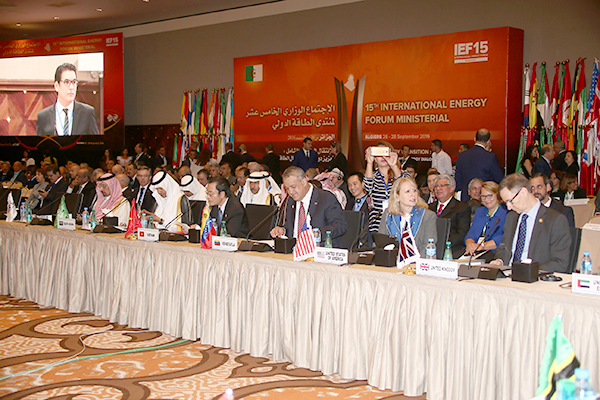
The number of countries opting out of the Algiers agreement of the Organization of Petroleum Exporting Countries (OPEC) to curtail output is growing by the day, which is undermining oil prices on the world market.
Countries such as Iraq, Iran along with Nigeria and Libya have been seeking exemptions from a production cut that was agreed in Algiers, Algeria, the first agreement in more than eight years. OPEC wants to limit production ranging between 32.5/33.0 million barrels per day compared to 33.4 million in September.
But by the passing day, analysts say the risks of not having a proper deal by November-end do exist more than ever.
Algerian Energy Minister Noureddine Bouterfa affirmed in a press statement after the Iraqi oil minister’s declared position, during the opening of the Algiers international book Fair that the OPEC Member States are in the process of implementation of the Algiers oil-capping Agreement, and explained that the upcoming Vienna ministerial meeting will determine each country’s ceiling quota.
However, Algerian economic expert Abderrahmane Mebtoul waxed pessimistic as he argued that the reality has shown that OPEC has become not weighing much on the world oil market, as its share of global production doesn’t exceed 33 percent, while the remaining 67 percent of oil output is in the hands of countries outside the organization.
He added that the real danger facing the Algiers Agreement now is not represented by Iran or Saudi Arabia, and by the abrupt reversal of Iraq and some other countries, which came out with a position on output cuts totally different from their previous one.
“The negotiation will be fraught with difficulties, even before starting the discussion about limits,” he surmised.
Iraq said they pumped more than 4.7 million barrels a day last month, several hundred thousand barrels a day than earlier thought, questioning the authenticity of data available through OPEC or other industry estimates, while Russia has so far said that they will agree to freeze output only if other OPEC countries come to an agreement first.
“OPEC is fully aware of this risk and on that basis we still believe some kind of deal will be struck. Whether it will be good enough to send the price higher, let alone stabilize it remains to be seen,” Mr Mebtoul said.
However, a level of $40-$45 is likely to provide a solid floor for now as this area will be low enough to prevent increased production from the high cost US shale oil producers.
Brent crude fell, extending losses for another session. Brent was down 1.71 per cent at $48.86 per barrel. NYMEX West Intermediate Texas was 1.36 per cent lower at $48.04.