Are Algerians Free To Convert To Judaism or Christianity?

-
-
585
-
0
Freedom of belief is controversial in Muslim countries among the elders, lawyers and jurists, as it has been enshrined in the new Algeria constitution for the year 2016, along with the freedom to worship through Article 36 that are contained in the chapter of rights and duties, which guarantees the freedom of belief for the Algerians, what triggered controversy among professionals between criticism and welcoming to this article, which contradicted, according to imams with Islamic law (sharia), which classifies leaving Islam as an apostasy that require retribution.
Lawyer Ibrahim Bahlouli, who is professor of law at Algiers Ben Aknoun Law Faculty, said: “The belief in the Algerian Constitution means Islam, Christianity and Judaism, and without these religion, there is no belief. Algerian law punishes the sectarianism that rejects any divine religion, and punishes paganism. Rituals which are material evidence to adjust its practitioners”.
“There is ignorance of the culture of other religions with the imams, jurists and a lot of lawyers in Algeria, which is another matter, which may pose a problematic in defining the concept of freedom of belief, and identifying it with certain limits. Article 36, which dedicated this freedom, though it is understandable with regard to foreigners who are living in Algeria because they have the full right to maintain their religion and their beliefs, and they have freedom of worship in the framework that is stipulated in the Algerian law, it remains the subject of controversy and debate regarding the Algerians who are not Muslims, or who converted to Christianity and Judaism”.
“Nature of Algerian society agrees on the application of the principle of freedom of belief, and this freedom will not be declared so that it creates the so-called the social hypocrisy that will evolve by time, in light of the electronic religious revolution, which is swept away youth and adolescents from religion to another religion due to internet, and the imams and sheikhs are facing the challenges that make their training necessary, and their knowledge extensive of other religions, as a weapon of persuasion and not to suppress freedom of belief and punish the religion leaver by encouraging assault and killing.”
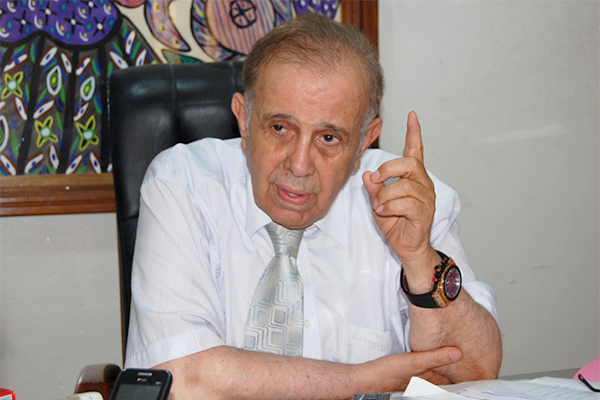
For his part, Farouk Ksentini, Chairman of the Advisory Commission for the Promotion and Protection of Human Rights, said that the consecration of freedom of belief in the new Algerian Constitution, came in response to the accusation of Algeria by foreign entities, that it people suppresses freedom of worship and belief to non-Muslims fanatically, and in response to political purposes that aimed at destabilizing the stability of the country, and Article 36 is detailed and specifies the overall concept, because the freedom of belief means any person who is on home ground and Algerians among them.
“This principle is difficult to apply on the ground for an Algerian who converts to a religion other than Islam and even if this person is protected from assault or violence, but he/she may be vulnerable to the accusation of sectarianism, and the mixing of concepts, and the lack of laws and texts that are illustrated by the Religion Ministry makes the freedom non-existent”.
“Consecration of freedom of religion opens the door of conflicts of ideas, and arguing among jurists and chieftains of religion at a time when Algeria is living a security alert about what is being plotted against it”.
Secretary General Sheikh of the National Coordination of Imams and Staff of Religious Affairs, Sheikh Djelloul Hadjimi, said that Article 36, is not clear, and contains a relativity that is marred by a lot of uncertainty, which could trigger chaos in the practice of rituals and worship, and it should be stipulated that Islam is the religion of the people and the freedom of belief is guaranteed in the framework of beliefs, and that any ritual has nothing to do with these religions or sects that are rejected and punishable under the Algerian law.
“Our religion Islam punishes the apostate deprives him/her of certain rights, which makes the Article 36 unclear by Algerians who leave Islam and convert to Christianity or Judaism, leading to the controversy among the elders of religion and jurists”.