Bank collapse to cost Iceland $5bn

الشروق أونلاين
-
-
3071
-
0
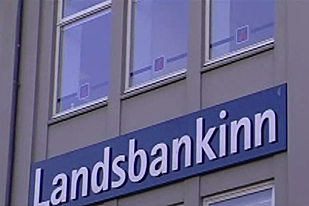
Iceland's parliament has approved a $5bn repayment plan to compensate Britain and the Netherlands for money lost after the collapse of an Icelandic internet bank last year.
-
The government has said it will repay $3.8bn to the UK government and $1.9bn to the Dutch government after they had to step in to reimburse depositors in Icesave, whose parent bank Landsbankinn filed for bankruptcy.
-
-
Under the plan, Iceland will reimburse the money, plus interest, starting in 2016, with payments spread over 15 years.
-
Johanna Sigurdardottir, the country’s prime minister, said that her government “was hopeful that the Icesave issue would now be concluded in a mutually satisfactory manner”.
-
Strong opposition
-
Thirty four poltiicians voted in favour of a bill to award the compensation in the 63-seat parliament, with 15 against and 14 abstentions.
-
Britain’s finance ministry gave a cautious response, saying it supported Iceland’s commitment to repay its debt but would carefully review conditions placed on the loan.
-
There had been strong opposition to the “Icesave bill” with critics arguing that it would put undue pressure on the tiny North Atlantic nation to force it into making repayments it could not afford.
-
There was also anger that the British government invoked anti-terrorism legislation to freeze Icesave’s accounts in the UK.
-
The government had agreed a deal with Britain and the Netherlands in early June but many Icelanders were unhappy with the conditions.
-
After weeks of political jockeying, amendments were added to the bill setting a ceiling on the repayment based on the country’s gross domestic product (GDP).
-
Banks’ mistakes
-
Anger over the issue is unlikely to end with the bill’s passage and those arguing that Iceland should stay outside of the European Union are expected to use the deal to stoke anti-Brussels sentiment.
-
Icelanders, already reeling from a crisis that has left many destitute, are furious over the idea of paying for mistakes made by private banks under the watch of other governments.
-
The Icelandic government had argued it had little choice but to make good on the debts if it wanted to ensure financial aid continued to flow.
-
About 400,000 savers placed money in the high-interest online Icesave account.
-
The British and Dutch governments eventually covered money lost in the accounts but had demanded repayment from Iceland.
-
Up to four per cent of Iceland’s GDP could be paid to Britain in sterling terms from 2017 to 2023, and up to two per cent in euro terms to the Netherlands, according to a draft document of the bill.