Child Labour in Morocco: A Growing Phenomenon Exposing Social Vulnerabilities
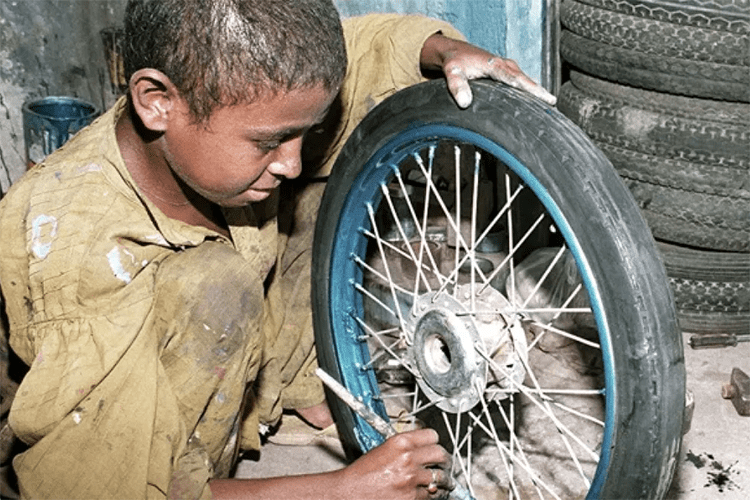
The issue of child labour in Morocco continues to raise concern among human rights and social organizations, as it remains one of the most significant challenges linked to poverty and social vulnerability. Thousands of children still find themselves forced to enter the labour market at an early age, away from school and deprived of their basic childhood rights.
This phenomenon takes various forms, including domestic work, informal economic activities, and hazardous labour, often under difficult social and economic conditions. Many families are driven to rely on their children’s income in order to meet the demands of daily life.
In this context, the Moroccan Association for Human Rights stated in a communiqué issued on the occasion of the World Day Against Child Labour that the persistence of this issue reflects deep shortcomings in social and economic policies. The organization stressed that child labour has become a direct consequence of worsening poverty and the expansion of social vulnerability within society.
The association also pointed out that the legal framework regulating domestic work still contains loopholes that allow child labour to continue, particularly inside private homes that are difficult to monitor and inspect. As a result, many cases of exploitation remain beyond the reach of legal accountability.
It further criticized what it described as weak monitoring and inspection mechanisms, noting that thousands of cases remain outside effective oversight despite repeated warnings about the impact of child labour on children’s futures and fundamental rights. Human rights advocates argue that the gap between legal provisions and their implementation on the ground remains significant, limiting efforts to reduce this dangerous phenomenon.
Human rights data indicates that addressing this issue requires tackling the structural causes that fuel it, particularly poverty, unemployment, marginalization, and inadequate social services. These factors push many families to view child labour as a means of securing additional income to survive.
Observers warn that the danger lies not only in the continued existence of child labour, but also in its gradual normalization within certain social groups. This contributes to its persistence and makes eliminating it more difficult. Continued child labour also has negative effects on children’s educational and psychological development, depriving them of their basic rights to education, protection, and healthy growth.
In light of these circumstances, calls continue for the adoption of more effective policies to protect children. These include strengthening labour market oversight, expanding social support programmes for vulnerable families, and ensuring that children remain within the education system. Such measures are essential to reducing early employment and safeguarding the rights of future generations.