Fayez el-Sarraj: “My Consultations In Algeria Are Working To Stabilize, Secure Both Countries”

-
-
448
-
0
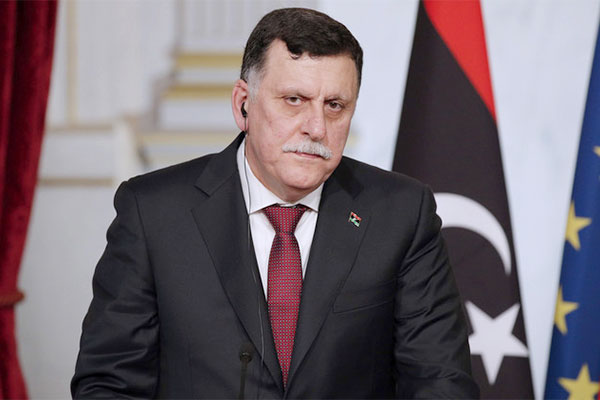
Head of the Libyan Presidential Council of the National Reconciliation Government, Fayez el-Sarraj, said that his visit to Algeria aims to discuss the latest developments in Libyan affairs.
In a statement to the press after his arrival to Houari Boumediene airport on Saturday, the Libyan official confirmed that his visit to Algeria “falls within the framework of ongoing consultative meetings and coordination with the Algerian leadership on the Libyan situation and the current situation of Libya”.
“Consultations with the Algerian officials aimed at working on the stability and security of both Libya and Algeria, which are an extension of each other”.
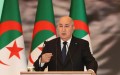
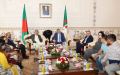
Al-Sarraj met with the Prime Minister, Abdelmadjid Tabboune, and the Foreign Minister, Abdelkader Messahel, as the visit is part of the permanent and regular consultations between the two countries and will allow the focus on the latest efforts to speed up the implementation of the process of settling the crisis that hit Libya.
It will also be an opportunity to reaffirm Algeria’s position in support of the peace dynamic that is initiated by the United Nations in this country, which depends on a political solution, comprehensive dialogue and national reconciliation within the framework of respect for its sovereignty and away from interference in its internal affairs.
Algeria was the first destination of el-Sarraj, after an agreement that was signed with the army chief, Khalaf Haftar, last week in Paris, and it appeared through the statements of the latter, that the end of the Libyan crisis “is still far” and that a lot of divergence of positions and policies exists between the parties to the crisis in the eastern neighbor, where Hafter is head of the government of national reconciliation, asked Fayez el-Sarraj, to stay away from the rhetoric statements and asserted that he did not control the capital Tripoli, which is “the property of all Libyans” and added, in an interview with France 24, that Al-Seraj “does not own the city because Tripoli is the capital of all Libyans”.
“When we hear that there is a danger that beats the doors of Tripoli we face it”, although Hafter could not yet control the whole city of Benghazi.
Reactions to the Paris meeting were timid because the UN envoy to Libya, Ghassan Salama, only said: “The most positive result is that the parties agreed that the solution of the Libyan crisis is political only, and that there are no military solutions”.
He also explained in statements that were published on the United Nations’ website on Friday that “The two parties agreed to hold elections next year, stressing that the United Nations will support the efforts of Libyans to hold free and fair elections”.
As for the Arab League, which is far from the Libyan file, it said: “The meeting represents a step on the way to resolve the Libyan crisis and get out of the bottleneck and overcome the transitional period”.