FM Medelci: “Arab spring in Algeria will bring reform, not revolution”

الشروق أونلاين
-
-
316
-
0
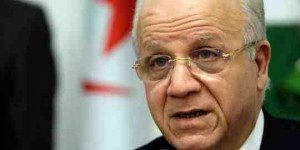
Taking the floor Saturday in Washington, as part of a working visit to the US Federal capital at the invitation of US Secretary of State Mrs Hillary Clinton, Algerian foreign Minister Mourad Medelci expounded Algeria's revamped policy line in the light of the liberalization reforms initiated by the head of state Abdellaziz Bouteflika.
- The minister’s list of planned reforms in Algeria outlined in his presentation included:
- *The percentage of Algerian women’s participation in parliament will rise from the current 7% to 30%,
*Judges (rather than the Government) will oversee the spring legislative elections in addition to the presence of international monitors,
*There are over 70 newspapers representing various trends of opinion in the country,
*Radio and TV will be open to the private sector for investment in 2012,
*And there will be increased transparency, economic and political freedom in Algeria.
- Mr Medelci also spoke about projected reforms in the hydrocarbon sector and in the economy more generally. He also justified the rapid rise of Algeria’s imports as necessary to building national infrastructure.
- Asked about a possible Islamist victory in next May’s parliamentary polls, the foreign minister said he was quite certain that the law-abiding Algerian military, as a solid republican institution, would fully respect the election results.
- Mr Medelci also noted that in accordance with the 2005 constitution, approved in a popular referendum, “those responsible for Algeria’s tragedy” would not be allowed back into political life.
- Big on non-intervention in other countries’ internal affairs, the minister affirmed Algeria is developing good relations with the new authorities in Libya and has improved relations with neighbouring Morocco.
- On the vexed Syria file, Mf Medelci noted that the Algerian who resigned as an Arab League human rights monitor came from civil society, not the government. Noting some cooperation from the Syrian government and some arming of the opposition, he thought the Arab League should continue its efforts with a view to hammering out a lasting political resolution of the crisis.