Foreign Exchange Reserves: Algeria Ranks First in the Maghreb
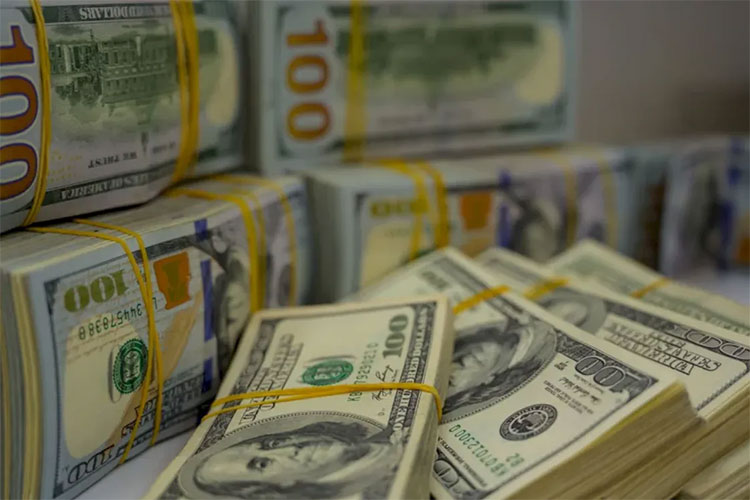
Algeria outperforms other Maghreb countries, regarding foreign exchange reserves, ahead of its western neighbour, the Kingdom of Morocco, by nearly doubling the reserve, followed by Libya and Tunisia.
For Algeria, this increase is the result of the slowdown in inflation and the noticeable growth rate of the gross domestic product, according to figures from the Central Bank of Algeria.
Algeria’s foreign exchange reserves increased by $8 billion, reaching $68.9 billion at the end of 2023, compared to $60.9 billion at the end of 2022. According to the Algerian Bank’s report issued last June, this amount does not include monetary gold, which said that “this level of foreign exchange reserves, which far exceed the minimum recommendations of international standards, testify to the solidity of Algeria’s external position.”
After Algeria comes the Kingdom of Morocco, whose foreign exchange reserves recorded an increase of 6.4% in 2023 compared to 2022, according to the annual report of the Bank of Morocco issued on July 31, 2024, while official reserve assets amounted to 359.4 billion dirhams, equivalent to $36.6 billion. The report indicates that this increase is mainly due to net external financing from the treasury amounting to 35 billion dirhams.
Libya ranked third in terms of foreign exchange reserves among the Maghreb countries. Based on figures issued by the Governor of the Central Bank of Libya last March, Libya’s foreign exchange reserves amounted to about $29 billion as of March 1, 2024, noting that this number is less than Libya’s needs, according to the same source.
Similar to both Algeria and the Alawite Kingdom, Tunisia’s foreign exchange reserves in 2024 also witnessed a noticeable increase compared to the previous year, according to data from the Central Bank of Tunisia, published in early July, as the eastern neighbour’s foreign exchange reserves reached 24.3 billion Tunisian Dinars at the beginning of last July, equivalent to $7.8 billion.
The Algerian Central Bank report indicates that this increase, amounting to about DZD 1.4 billion (about 452 million dollars) compared to last year, was able to cover 111 days of imports, that is, one day more than the previous situation.