A Spanish Document Highlights Opportunities in the Algerian Market
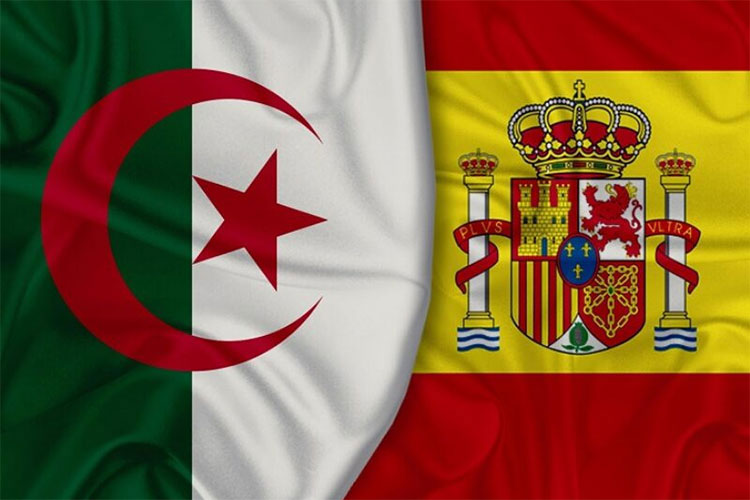
An informational document from the Spanish Ministry of Foreign Affairs outlines the economic opportunities and significant potential Algeria presents for Spanish investors and businesses.
The same document notes that Algeria has emerged as a key strategic hub in North Africa, driven by its energy and mineral resources, a large domestic market, major infrastructure and energy projects, and plans for economic diversification.
The 71-page document, released in May 2026 and reviewed by Echorouk, indicates that Algerian authorities are implementing an economic policy focused on diversifying the economy and reducing reliance on hydrocarbons. This strategy emphasizes sectors such as agriculture, industry, mining, renewable energy, and modern technologies, aiming to boost local production and attract foreign investment beyond oil and gas.
The report describes Algeria as an “economic and geopolitical pillar” in North Africa due to its strategic location, abundant natural resources, and role as a bridge between Africa and Europe, especially in the energy sector. It highlights that Algeria is the third-largest supplier of natural gas to Europe, having exported approximately 38.6 billion cubic meters to the European Union in 2025, which accounts for about 12% of Europe’s gas imports, following Norway and the United States. Additionally, it notes that Algeria became Spain’s top natural gas supplier in 2025, making up nearly 38.5% of Madrid’s total imports.
The document also underscores Madrid’s increasing interest in industrial opportunities in Algeria, particularly in the automotive sector. It identifies the Fiat-Stellantis plant in Oran (western Algeria) as a leading industrial project, with production anticipated to exceed 50,000 vehicles in 2025 and plans to raise capacity to 90,000 vehicles annually.
Furthermore, the report extensively discusses the Algerian mining sector, highlighting the government’s urgent efforts to develop it into a significant economic resource through major projects like the Gara Djebilet mine and an integrated phosphate project in the east, with investments estimated at around $7 billion.
In construction and public works, the document notes Algeria’s ambitious program to build 1.4 million new housing units by 2029 under the “AADL 3” program, having already surpassed previous targets by delivering over 1.7 million apartments.
It also mentions that since 2024, Algerian authorities have mandated the use of locally produced materials in public projects to reduce imports and support domestic industry.
In renewable energy, the document highlights Algeria’s vast solar reserves, particularly in the south and high plateaus, with plans to generate 30% of its electricity from renewable sources by 2035. This includes the “Solar 1000 MW” and “Solar 2000 MW” projects, along with a strategy for developing green hydrogen primarily for European markets.
Additionally, the Spanish document points to the ongoing transformation of Algeria’s logistics system through port modernization projects and enhanced loading and unloading capacities. It specifically mentions the port of Djendjen in Jijel (eastern Algeria) as a promising strategic project, aimed at reducing trade costs and strengthening the country’s role as a potential transit hub between Europe and sub-Saharan Africa.
The document also highlights the growing momentum in digital transformation and financial services, particularly with the digitization of administration and the expansion of electronic payment methods. This trend is seen as paving the way for a more transparent and flexible business environment, thereby enhancing the attractiveness of the Algerian market for European companies, especially in technology and services.
In a related context, the report emphasizes the dynamism in the investment sector driven by recent legal and regulatory reforms designed to simplify company establishment procedures and encourage partnerships with foreign operators. This new framework is reshaping the relationship between the state and investors based on transparency and reducing bureaucratic hurdles.
Lastly, the document addresses the critical challenge of food security, highlighting policies aimed at lowering import costs and boosting local agricultural production, particularly in cereals and strategic crops. It indicates that Algeria is working to strengthen agricultural value chains through investments in irrigation, storage, and refrigeration.