Four Sectors Are Mobilized To Stop The Bleeding Of Hard Currency

-
-
2055
-
0
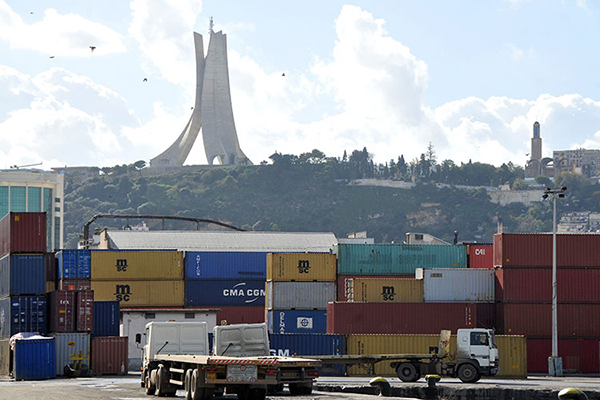
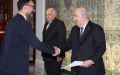
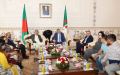
Trade and Industry Industry, Assassi Ahmed Abdelhafed, held a coordination meeting, on Thursday, on the subject of goods and outstanding products at the level of the sea and dry ports, in the presence of representatives of the Ministries of Industry and Mines, Agriculture, Rural Development and Fisheries, the General Directorate of Customs, and the Bank of Algeria, in order to focus on the points that should be followed in the context of ensuring the protection of the national economy and abide by the conditions of granting import licenses.
According to the Trade Ministry’s statement, which copy was received by Echorouk, the minister presented his directives on the basis of the government’s program and its commitment to reduce the import bill, which was the necessity of combining efforts of all sectors and coordination among them in order to ensure the success of the process, by finding final solutions for all the outstanding goods and study them case-by-case in accordance with priorities, while respecting the legislative provisions and imposing full control over the products that are subject to the quota system of import licenses.
Al-Sassi asserted that the State continues to provide all facilities to the economic traders who are committed to the rules and laws of trade and the system of import and export, in order to achieve the development goals and to develop specific and innovative mechanisms to develop the economic and social work within the framework of the system of joint work between different sectors, which is considered the main cause for the advancement of this system that is identified through the formation of joint working committees that oversee the follow-up of this file on the ground.
Trade Minister’s meeting with the representatives of sectors is related to the trade sector, such as agriculture, industry and finance, aiming to increase the coordination between the various parties in order to ensure that any commodity is not allowed to pass outside the framework of import licenses on the one hand, and avoid attempts to smuggle public finances by importing illegal goods, and work with all sectors in order to activate the control through all stages of the import operations, whether from the period of bank settlement, or the length of time for receiving containers in ports, and to activate the mechanism of control, and identifying the locally produced goods, which should be imposed on decisions to avoid the importation without encouraging domestic production.
Government declared a “state of emergency” due to the alarming figures that are reached by the import bill, which amounted to nearly $60, which led to the imposition of licenses to import various materials, in order to reduce the bleeding of hard currency, especially the products that are locally produced.