Grain Brokers Dumping Black Market Southern Algeria

-
-
2552
-
0
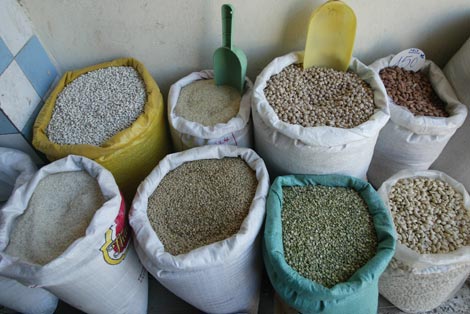
Black markets of dry grain and camels trade in southern areas noticed a remarkable increase of activity, due to the large quantities of products available, such as wheat and barley which are supported by government.
Some traders prefer working in the black markets to get considerable benefits away from control, though the high and illegal prices in such markets.
Echorouk surveyed on the subject in the region of Touggourt (southern Algeria), which is the point of activity that is characterized by vitality of trade, not to mention its central role in the financing of neighboring wilayas.
In Touggourt there are large quantities of hard and soft wheat, and barley as well. Traders and farmers meet daily in the popular markets of the city such as, markets of July 5 neighborhood, Draa El Baroud and Anaawi, in order to agree on business deals to market hundreds of Quintals of wheat at one time, and agreed on the date of delivery of cargo in places far from the eyes of the authorities of control.
This phenomenon observed becomes a real success for owners who gain a lot of money, especially as wheat and barley are products that should be braught frome the State’s cooperatives at subsidized rates in the range of 17,500 DA for pound, the latter, which cost up in these markets to 4000 AD, where a lot of quantities are smuggled to the farthest southern regions like Tamenrasset, or to other region like Djelfa, which is the most important points of smuggling these products, despite the stringent administrative procedures taken in the process of transport.
Dry grain smuggling started after security services screws up the activity of smugglers and foiled some attempts, as they seized bout 400 quintals of soft wheat, which were smuggled towards Djelfa in order to be sold as feed for animals.
On the other hand, young farmers and owners of cattle and camels suffer from several problems, according to statments to Echorouk, particularly because they do not have their legal shares and theft that reaches the quantities that are granted to them, prompting most of them to get their needs of these products from the black market whith high prices that axceeds their material potential, as well as the large amounts that are detracted from the money of simple citizens in the mills, and stores, before being sold for animals’ consumption, away from the eyes of control and at the expense of needy people in the southern regions, and young farmers who suffer marginalization and injustice.
The problem, according to observers, becomes dangerous and needs urgent actions by the authorities to stop these practices and end the activity of brokers of black market who damage the national economy .