New Parliament Faces Early Test with Leadership Vote and 2027 Finance Law
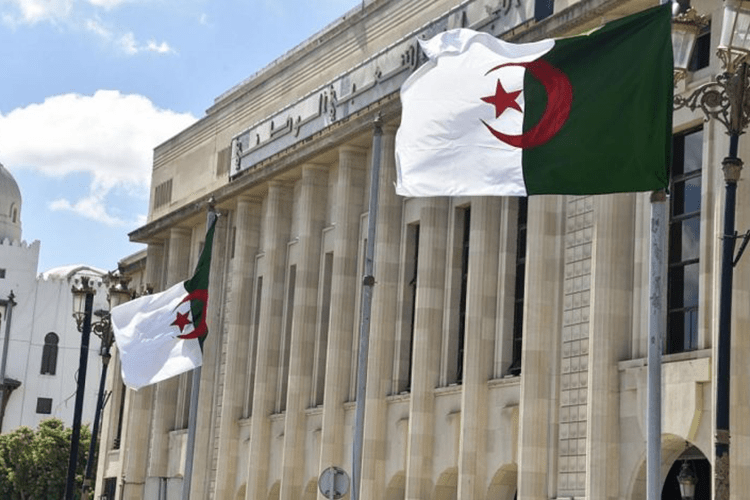
The inaugural session of Algeria’s 10th legislative term has been officially scheduled for Tuesday, July 28, marking the first meeting of the newly elected People’s National Assembly (APN) following the Constitutional Court’s announcement of the final election results. The session will coincide with the election of the Assembly’s speaker and members of its governing bureau.
In preparation for the opening session, the lower house administration has begun contacting newly elected MPs via text messages to inform them of the organizational procedures that must be completed beforehand. These include confirming their registration through a dedicated digital platform, as well as arrangements for travel and accommodation for members arriving from distant provinces, to ensure their attendance.
According to Echorouk sources, a WhatsApp group has also been created for newly elected MPs to facilitate the exchange of information and coordinate logistical preparations ahead of the official opening session.
The inaugural session is being held in accordance with the Constitution, which requires the newly elected People’s National Assembly to convene within a specified period after the announcement of the final election results. The meeting will formally launch the process of establishing the Assembly’s governing structures, beginning with the election of a new speaker to succeed Ibrahim Boughali.
The race for the speakership is expected to be one of the most closely watched political developments of the opening session. Several names are reportedly circulating within political and parliamentary circles, including newly elected MPs who have previously held senior positions in state institutions, alongside veteran lawmakers whose names have also emerged in behind-the-scenes discussions.
As is customary, the selection of the Assembly’s speaker will depend on political negotiations and the balance of power among parliamentary blocs. Political groups are expected to agree on a consensus candidate capable of securing majority support before the formal vote takes place under the Assembly’s established procedures.
Following the election of the speaker, attention will shift to the formation of the Assembly’s bureau, including the election of deputy speakers, completing the institution’s initial leadership structure before permanent committees are established and lawmakers are assigned to them.
Beyond the organizational process, the new parliament will soon face its first major legislative challenge with the opening of its first ordinary session: debating the 2027 Finance Law.
The budget will be drafted against a particularly sensitive economic backdrop shaped by developments in global oil markets. Oil prices have risen in recent months, but uncertainty remains over whether the upward trend can be sustained. These market conditions will directly influence the government’s revenue projections and expenditure framework underpinning the 2027 budget.
The new parliament will also confront several key economic and financial issues, foremost among them the government’s efforts to recover cash circulating outside the formal banking system and integrate funds from the parallel economy into official financial channels. Authorities are also seeking to safeguard foreign exchange reserves while preserving the country’s hard currency holdings.
Tax reform is likewise expected to feature prominently on the parliamentary agenda. Measures aimed at broadening the tax base, regularizing taxpayers’ outstanding obligations, and introducing new tax settlement and tax amnesty provisions are anticipated through forthcoming legislation.
On the legislative front, parliament is expected to continue reviewing bills designed to strengthen Algeria’s framework for combating money laundering and terrorist financing. These reforms form part of the country’s broader effort to meet international compliance standards following its drive to exit the Financial Action Task Force (FATF) grey list by modernizing its legal and financial systems and reinforcing oversight of suspicious financial transactions.
The Assembly is also expected to revisit a number of draft laws that were left unfinished during the previous legislative term or remain under discussion, including legislation governing the public and private sectors, the insurance industry, and other bills that may emerge in response to evolving economic, social, and political developments.