What Algerians Expect from the New Parliament
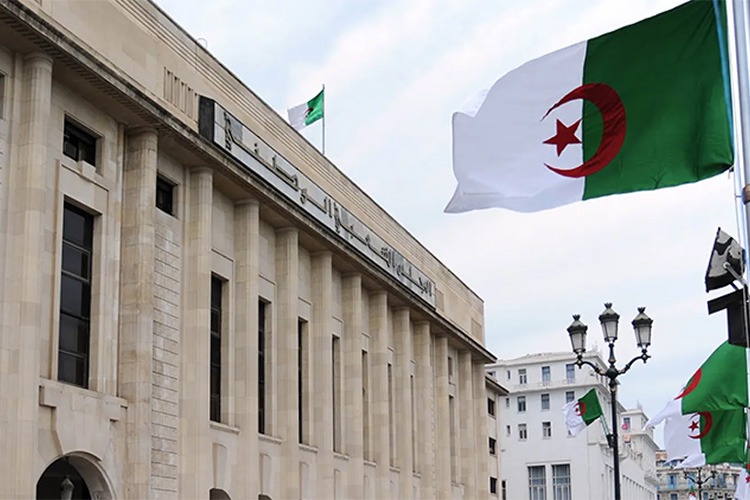
The People’s National Assembly (APN) will open its tenth legislative term on Tuesday with its first session, devoted to formally installing newly elected MPs and electing a new president of the lower house of Parliament.
The session comes amid political and institutional expectations that the assembly will restore greater weight to its legislative and oversight functions and turn the page on traditional parliamentary practices.
The opening session will focus on completing constitutional and procedural requirements, including validating the membership of elected MPs and electing the president of the People’s National Assembly, its vice presidents and the members of its bureau. These steps will pave the way for the official launch of the tenth legislative term.
It is still too early to assess the performance of the new assembly or its ability to bring about meaningful change in parliamentary practice, particularly since the first sitting will largely be ceremonial. The next parliamentary session is also expected to focus mainly on government-sponsored bills submitted for consideration. Moreover, most members of the tenth legislative term are newcomers who have been elected to Parliament for the first time. Nevertheless, attention will be firmly focused on how the assembly carries out its responsibilities in the period ahead.
The real challenge, however, lies not in the launch of the new term but in the assembly’s ability to transform parliamentary performance. This is particularly important in light of criticism directed at political parties following the latest legislative elections, amid widespread voter abstention. The situation places pressure on lawmakers to move beyond traditional working methods, strengthen Parliament’s legislative and oversight roles, and restore at least some of the public’s confidence by bringing the institution closer to citizens’ concerns.
In this context, political analyst Ali Hachani told Echorouk that the formation of the new People’s National Assembly, following the completion of the electoral process, marks the beginning of a new political and institutional phase. According to Hachani, political parties and elected MPs now face the responsibility of redefining Parliament’s role and transforming it from a conventional institution into a platform for initiative, legislation and effective oversight.
Hachani said citizens now expect the legislature to keep pace with the country’s economic and social transformations, exercise meaningful oversight of government performance and reflect citizens’ concerns within the framework of the Constitution. The success of the new legislative term, he argued, will depend on the assembly’s ability to reclaim its position as an influential institution in political life.
He identified three key tests facing the new Parliament.
The first is legislative effectiveness: passing laws that serve as genuine tools for addressing problems rather than simply adding more legal texts to an already extensive legislative framework.
The second is effective parliamentary oversight, including assessing the implementation of public policies, linking responsibility to outcomes and monitoring the government’s performance as an institution in a way that strengthens the principle of accountability.
The most important test, however, will be restoring citizens’ confidence in Parliament, particularly after the high level of voter abstention recorded in the latest elections. Hachani stressed that citizens want a Parliament that is present in their everyday lives, gives voice to their concerns, takes the initiative and turns those concerns into legislation and policies with tangible, real-world impact.
As for the key issues expected to dominate the new legislative term, Hachani pointed to the revision of a number of laws related to investment and the economy, as well as the completion of the legislative framework governing digitalisation and e-government. Other priorities will include continuing reforms of local authorities, reducing bureaucracy and examining legislation related to social policies, particularly employment and healthcare.
Parliament is also expected to monitor implementation of the President of the Republic’s programme and the state’s major commitments, particularly in areas such as housing, food security and renewable energies.
Hachani stressed that the true assessment of the tenth legislative term will not come at its outset, but at its conclusion. The key questions will be whether Parliament has succeeded in producing legislation with a tangible impact, exercising effective oversight and narrowing the gap between citizens and the legislative institution.
The new legislative term, he concluded, is expected to be more effective than its predecessors and to establish a Parliament that is more visible, more influential and more actively involved in shaping public policy and decision-making.