Human Rights League: Ahmadiyya Threatens Algeria, Uses 5 Ways For Spread

-
-
580
-
0
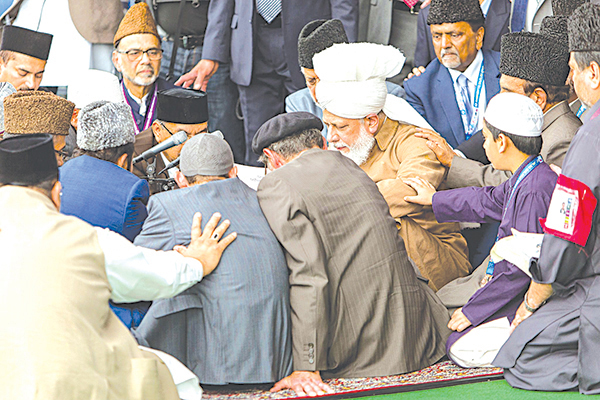
Algerian Human Rights League (LDH), warned of the danger of Ahmadiyya, saying that “it has become dangerous on the Algerian society, through the planting of false beliefs in the minds of young people, especially the needy and the poor”.
AHRL explained, in a report, on Wednesday, entitled “Ahmadiyya Threatens Algeria”, five basic ways that are used by the Ahmadiyya for the spread, which are; “Lack of knowledge of new followers about this thought, until it is too late, the fragility of the religious establishment, which is characterized by a turbulent and funky speech, which makes it weaken against the risk that faces Islam, poverty and the need for money, as the majority of the adherents of this ideology are ignorant and illiterate and weak when facing the temptations”.
“Ahmadiyya followers target Algeria’s isolated and rural areas, where they lure Algerians with money, cars and some of the privileges, as recognized by the inhabitants of those areas, where they were followers of this sect, as they use a simplified leaflets in their call”.
AHRL considers that the incitement to the defamation of religions is one of the most dangerous threats to peace and international security, and that any prejudice to them, or depreciation, is a red line that should not be missed, especially since many of the societies in the world considered that the religious identity as one of the most important humanitarian identities that must be respected, and occupies a central role to the daily lives of its members.
“There is an urgent need to create a law that protects religions, as it would not intend to limit the freedom of belief, but for the fight against incitement to hatred, and for the promotion of dialogue among followers of religions and cultures, to improve the understanding and appreciation of the similarities and imbalance, and to promote respect and tolerance for the other beliefs while maintaining the strengthening of respect for cultural and religious diversity that are consistent with the norms and standards of human rights”.