Madrid Pushes New Plan To Escape Algerian Sanctions
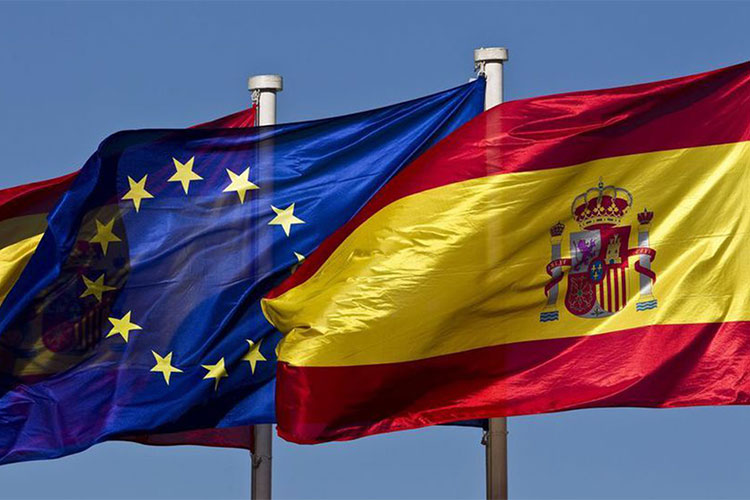
The Spanish Government plans to take advantage of the upcoming meeting of the European Commission on the eighteenth of this month, to pressure the leaders of the member countries of the European Union, to re-release the combined gas purchase plan in the name of the European Union, as it was amended after its failure, to escape possible Algerian sanctions, in light of the heated disputes between the two countries in the wake of the sudden reversal of Madrid’s position on the Western Sahara issue.
Madrid seeks to invest in European capitals’ concerns about the possible disruption of Russian gas in light of the refusal of some European countries to pay purchases of Russian gas in rubles, such as Poland and Bulgaria, in order to share gas between member states in the event of an energy crisis that appears on the doorstep, due to the repercussions of the Russian-Ukrainian war.
Spain is at the forefront of European countries that may be exposed to a gas crisis, not with Moscow because it does not import Russian gas, but with Algeria, with whom it has had no bridges of communication since March 19, after Algeria summoned its ambassador, Said Moussa, for consultations due to the decision of the Prime Minister of Madrid, Pedro Sanchez, supporting the so-called “plan for autonomy” in Western Sahara, put forward by the Moroccan Makhzen regime.
This is the second attempt by Spain to escape the Algerian sanctions, after the failure of the first attempt, which was in late March, when Madrid pressed the European Union to assign Brussels to negotiate with the energy-exporting countries on behalf of the 27 members forming the union, a strategy inspired by the requests for the “emerging corona virus” vaccines that were tried by the European Commission, but they were described at the time as successful.
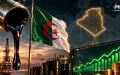
The Spanish efforts to seek refuge in the European Union came after Algeria renewed its threat to Madrid to cut off gas supplies, if the latter decided to re-export Algerian gas to the Kingdom of the Morocco.
Meanwhile, the Algerian ambassador in Rome said in statements to the Italian news agency “Nova”: “If Spain decides to re-export the gas that it buys from Algeria to third countries, Algeria may, in turn, stop supplies to Madrid,” in the second confirmation from the Algerian authorities in less than a week.
This came after the Spanish Minister of Environmental Information confirmed that Madrid would not export even a part of Algerian gas to Morocco, which suggests that the Algerian party will not be convinced by the Spanish assertions.
Despite the Spanish efforts to impose compulsory “combined purchase of gas” in Europe, the majority of European countries did not go along with it, as they preferred the “voluntary purchase” of gas, liquefied natural gas and hydrogen, after Germany rejected the Spanish proposal backed by France, as stated by Chancellor Olaf Scholz, who justified the situation saying that there are “private companies all over Europe committed to contracts and buying gas in their name, and they intend to continue to do so”.
Spain is currently suffering from a decline in gas imports from Algeria by about 50 percent, according to Spanish media reports, while the situation is heading towards complexity.
Madrid is trying to deceive by talking about procedures to reveal the country of origin for the exported gas towards the Kingdom of the Makhzen, taking advantage of the difficulty of ascertaining the identity of the gas, and perhaps what indicates the lack of confidence is the continued warning of the Algerian party despite the Spanish assurances.