MedGaz Pipeline Failure: Spain Announces the Return of Supplies From Algeria
Spain announced the return of gas supplies from Algeria after a failure was recorded in the MedGaz pipeline, attributing the reason to a technical problem.
According to the Spanish company, Enagas, the failure was fixed and attributed to a “specific technical problem” that took a “short time” to fix and allowed the restoration of the previous gas flow.
In the Spanish company, Enagas, the failure was fixed and attributed to a “specific technical problem” that took a “short time” to fix and allowed the restoration of the previous gas flow.
“Although the flow has been temporarily reduced, it has not been cut off”, the Spanish newspaper El Pais quoted a reliable company source as saying “a breakdown was recorded on Sunday morning on the Spanish side of the Medgaz pipeline, the only one that transports gas from Algeria to Spain, causing a temporary interruption of gas supplies”.
The gas supply from Algeria to Spain through the Medgaz pipeline has not been interrupted at any time despite registering a specific breakdown this Sunday, sources from the Ministry of Ecological Transition and the Demographic Challenge confirmed to Efe this Sunday.
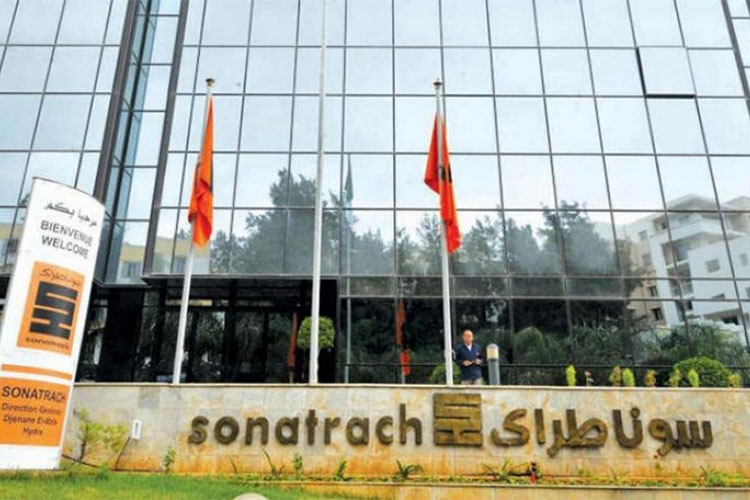
The Algerian hydrocarbons company Sonatrach reported today in a statement of a “temporary” interruption of the gas supply to Spain. It clarified that the Spanish technical teams worked intensely to make the necessary repairs.
However, Enagas sources have explained to Efe that the supply has not been interrupted at any time and that the incident has only forced maintenance work for about two hours.
At noon, during routine maintenance work at the Beni Saaf Compression Station in Medgaz, the flow from the plant in Argelia to the Almeria International Connection ceased.
This has caused a decrease, but not an interruption in the flows entering Spain, there has been no effect on the security of supply.
Sources from the Spanish Ministry of Ecological Transition explained that the ruling has caused a drop in input flows of 200,000 Nm3/h, down to 704,000 Nm3/h.
But at no time has it been interrupted, they confirmed from Enagas, and the activity has already been restored and normalised, the same sources added.