Moscow: There Is A Chance To Reach An Agreement To Stabilize Oil Production In Algeria

-
-
300
-
0
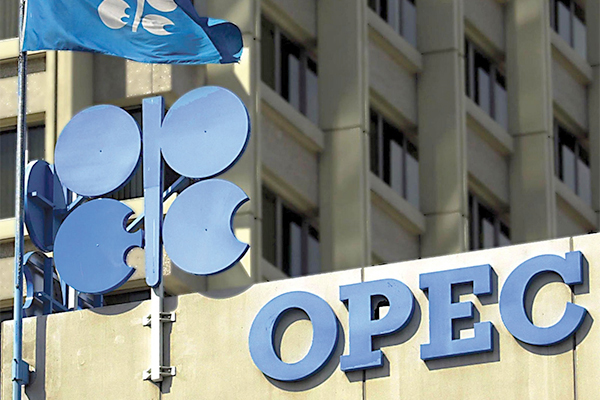
There is an opportunity that the oil-producing countries will reach an agreement to stabilize the production rates during the upcoming meeting in Algeria, Arkady Dvorkovich, Russian Deputy Prime Minister said on Saturday, during an interview with a Russian TV channel.
“It’s hard to talk about the possibility of reaching such an agreement, because every country has its own interests, but nevertheless there is a chance”, as quoted by “Russia Today”.
“OPEC” members will meet, on the sidelines of the International Energy Forum, which includes producers and consumers of energy, in Algeria, during the period from 26 to 28 September, and Russia, which is not a member of the organization, will also attend the meeting.
Oil producing countries, especially which suffer the high cost of exploration, such as Venezuela and Algeria, hope to reach consensus on the stabilization of production rates, as a first step to absorb excess of oil market, in order to stabilize prices above $ 50 a barrel.
For its part, Algeria, which is a member of the “OPEC” organization, expressed optimism for the meeting’s successful, stressing that this meeting should reach a “positive solution” to the stability of the market.
APS quoted on Friday the Energy Minister, Noureddine Bouterfa as saying: “We will not go out in the fourth to say that Algiers meeting was a failure”.
With regard to the oil-producing countries from outside the organization, “OPEC”, including primarily Russia, Bouterfa asserted that Moscow agrees to participate in the agreement that would guarantee the stability of the market, and it announced publicly its will concerning the desire to stabilize the market.
With the growing sufferance from the collapse of oil prices and the growing pressure on Saudi Arabia budget, Riyadh and Iran expressed their willingness to show more flexibility in order to support the prices.
Sources in the oil markets said that Saudi Arabia offered the reduction of its oil production, if its competitor Iran will agree upon stabilizing its production this year, which is a radical shift in the position of the kingdom, which previously refused to be the only country to cut the production to support prices and opted to defend the market’s share.