MPs Refuse Salary Deduction

Members of the Legal Affairs and Liberties Committee of the People’s Assembly refused to approve financial penalties against absent MPs in the draft internal regulations of the Council, and they insisted on replacing financial deductions by depriving the negligent MPs of rewards and promotions, for the benefit of their committed colleagues.
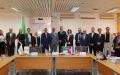
In a session that lasted until the late hours of Tuesday, members of the Legal Affairs Committee in the lower chamber of Parliament re-analyzed the draft internal regulations of the Council, which are still shrouded in much ambiguity as a result of the ongoing dispute between MPs over some of its articles. The committee listened to experts and specialists in law to enrich this document before presenting it to MPs.
MPs reopened the file of absences in the National People’s Assembly, which had become a concern for them after the recent harsh criticism from the Speaker of the Assembly, Ibrahim Boughali, where the Legal Committee, according to Echorouk sources, expressed its absolute rejection of deductions from the deputies’ salaries.
They considered that this proposal, if passed in the draft bylaws of the Council, would constitute an unfair decision against the NPA’s MPs, given that MPs are elected and bound by state obligations that require their presence many times outside the capital, Algiers.
Some MPs also proposed replacing financial penalties with deduction of grants, financial rewards, and even travel abroad, and attending training courses for committed MPs, to motivate them to commit to attending official sessions and participating in all activities organized in the lower chamber of Parliament.
Conversely, members of the Legal Affairs Committee called for a reconsideration of the article dealing with the rights of the parliamentary opposition, stressing that this article is unclear and does not provide sufficient explanations about the parliamentary opposition’s exercise of its rights stipulated in the 2020 Constitution.
The same applies to parliamentary immunity, which according to members of the Legal Affairs Committee was not addressed with sufficient precision, especially concerning the deadlines set for waiving it, as well as the methods of notifying the Constitutional Court.
It is also expected that the issue of the relationship between the government and parliament, which is specified in the organic law regulating this relationship, will be reconsidered, to ensure that it does not conflict with the articles contained in the bylaws, especially concerning the deadlines for responding to oral and written questions.
This comes in the context of Prime Minister Aimene Benbderrahmane’s confirmation, during his presentation of the general policy statement, of the government’s keenness to enhance responsiveness to parliamentary oversight mechanisms, adherence to the provisions of the Constitution, and contribute to improving the functioning of these mechanisms, as he revealed the trend towards establishing a digital platform at the level of the Ministry of Relations with Parliament that links all ministerial sectors and the Office of the Prime Minister, “to ensure the modernity and effectiveness required in managing this file.”