New UN Condemnation of Morocco Over Violations Against Sahrawis
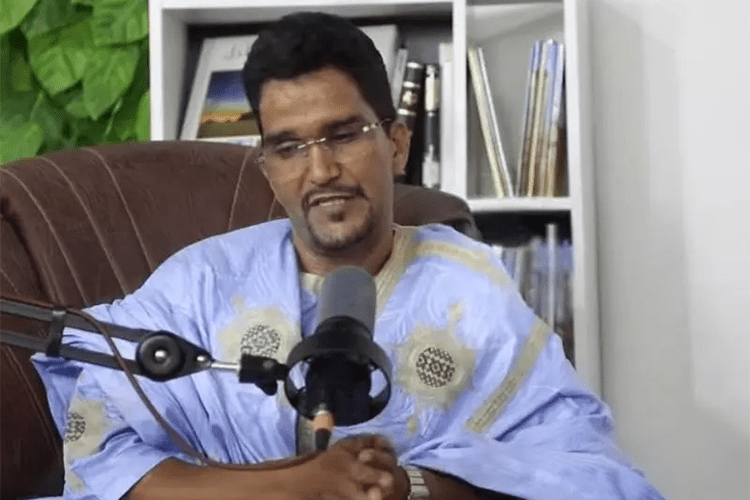
The United Nations Committee Against Torture has found Morocco in violation of the Convention against Torture in the case of Sahrawi human rights defender and former political prisoner Abdelmoula El Hafidi, citing the conditions of his detention in Ait Melloul Prison as amounting to “degrading treatment.”
The finding was set out in a decision adopted by the Committee on 24 April, during its 84th session, and published on Monday, 17 August. It concerns a complaint submitted by El Hafidi, represented by the International Service for Human Rights (ISHR), regarding his detention conditions and the violations he allegedly suffered following his arrest in 2016 in Boujdour, in the occupied Western Sahara territories.
The UN committee found that the conditions of El Hafidi’s detention at Ait Melloul Prison — including overcrowding, the lack of windows, natural light and ventilation, inadequate heating, and insufficient access to drinking water and sanitary facilities — collectively constituted “degrading treatment,” in violation of Article 16 of the Convention against Torture.
The Committee also concluded that Morocco had failed to meet its obligations under Article 13 of the Convention by failing to adequately address complaints concerning the conditions of his detention.
El Hafidi’s case comes amid what the International Service for Human Rights and the Association for the Protection of Sahrawi Prisoners in Moroccan Prisons described in a joint statement as a “broader pattern of repression” targeting Sahrawi human rights defenders because of their peaceful advocacy for the Sahrawi people’s right to self-determination.
The two organisations said the Committee’s decision “confirms the daily reality faced by Sahrawi prisoners detained because of their views and positions.” They added that “degrading prison conditions, isolation and denial of medical care have been used as means of punishment” against those defending the Sahrawi people’s right to self-determination.
Tess McEvoy, an advocacy officer at the International Service for Human Rights, said that targeting defenders such as El Hafidi for their peaceful advocacy of self-determination “underscores the need to ensure unrestricted access to UN and African human rights mechanisms, as well as protection for human rights defenders in occupied Western Sahara.”
The Committee’s findings are particularly significant because they establish an international legal record concerning the treatment of a Sahrawi detainees and Morocco’s obligations under the Convention against Torture. While the decision relates specifically to El Hafidi’s individual complaint, its findings on detention conditions may have broader implications for other prisoners held in Moroccan facilities under similar circumstances.
The Committee called on Morocco to provide El Hafidi with an effective remedy and to take steps to prevent similar violations from occurring in the future. Under the Convention against Torture, states are required not only to refrain from torture and other cruel, inhuman or degrading treatment, but also to investigate complaints and ensure that victims have access to effective remedies.
The decision also highlights concerns over the conditions in which Sahrawi political prisoners and human rights defenders are held. Human rights organisations have repeatedly raised concerns about overcrowding, prolonged isolation, restricted family contact and inadequate medical treatment in Moroccan prisons, particularly in cases involving activists convicted in connection with protests or political activities related to Western Sahara.
The issue of access for independent human rights monitors remains central to these concerns. Human rights organisations have for years called for greater access to Western Sahara and to prisons holding Sahrawi detainees, arguing that independent monitoring is necessary to assess detention conditions and investigate allegations of ill-treatment. They say that unrestricted access to UN mechanisms would help provide greater transparency and accountability.
The case also comes against the backdrop of the unresolved political status of Western Sahara, which has remained on the United Nations list of Non-Self-Governing Territories since 1963. The UN-backed process on the territory’s future has yet to produce a final political settlement, while the question of self-determination remains at the centre of the dispute between Morocco and the Polisario Front.
For supporters of Sahrawi human rights, the Committee’s decision therefore goes beyond the circumstances of one prisoner. They argue that it reinforces the need for Morocco to ensure that individuals are not subjected to degrading treatment because of their political opinions or peaceful human rights activities, and that complaints about detention conditions are investigated promptly and effectively.
The decision is also likely to renew calls on Morocco to cooperate fully with international human rights mechanisms and to implement the Committee’s recommendations. For El Hafidi and organisations supporting him, the ruling represents formal recognition by a UN treaty body that the conditions he experienced in prison violated Morocco’s international obligations.