Oil Crisis Will Not End Tomorrow, Prices Will Not Exceed $ 50

-
-
964
-
0
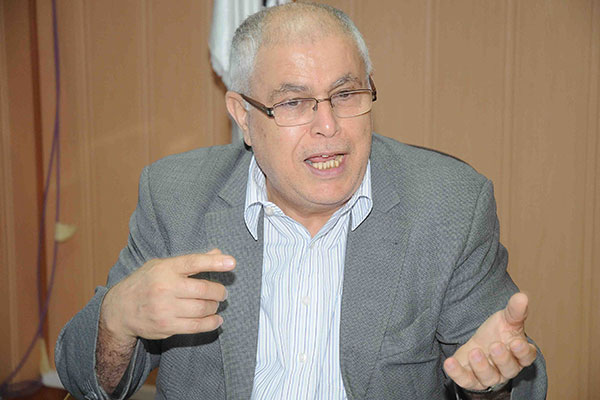
Chairman the Algerian Association of Electricity and Gas, and former CEO of Sonatrach, Abdelmadjid Attar, criticised the nations that gathered, on Sunday, in Doha to freeze the oil production for 6 months, in order to maintain the stability of prices and absorb the excess of oil in the international market, led by Iran, Iraq and Saudi Arabia, saying: “I do not trust them, because they promise to freeze the production, but they will apply the opposite once they’ll leave the meeting room.
Attar told the “Echorouk” that the real dispute today, due to Iran, which does not intend, to the limit of writing these lines, to reduce production, as it asked the international producers to accept its return to the market, and if it will not raise production, it means it is still subject to the blockade. Iraqi production threatens the prices more than Saudi Arabia. What frightens Algeria currently is Iran and Iraq, because these two countries produce more than the quantity that they declare in the official meetings, and they are committed to what it is agreed upon, which makes Algeria, in the next phase, uncertain of their promises.”
“Even if the matters settled and prices increased, they will not exceed 50$ in the next stage, per barrel at its best, and this price does not serve the financial situation of Algeria, as many expected”.
“Decision to stop production for a period of 6 months, i.e until next October, will not affect anything at Sonatrach, because its production is below the level that is granted to it. Sonatrach’s decision to raise production by 4% during the next phase, and is difficult to implement by virtue of the weakness of potential. What hurts Algeria at the current stage is not production but the price.”
Ministerial meeting of oil-producing countries started, on Sunday evening, after hours of delay, due to the divergent views and refusal of Saudi Arabia to agree on the Action Plan, after news of an initial agreement between the participants to maintain the average daily production of crude oil at levels of last January, and as reported by “Reuters” the meeting was delayed until the evening.