Oil producers happy, others bothered by energy prices

-
-
3138
-
0
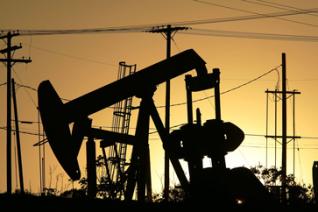
Oil producers are happy with current oil prices of around 77 U.S. dollars a barrel, but gas producers are less happy, and energy consumers could not reach consensus among themselves.
-
Those are messages from the two-day International Energy Forum (IEF) ministerial meeting, which has just ended.
Officials from Saudi Arabia, Angola and other oil producers defended the oil price between 70 and 80 dollars a barrel.
Abduallah Al-Badri, secretary general of the Organization of Petroleum Exporting Countries (OPEC), warned that low prices risk wasting investment in the oil sector.
OPEC has around 6 million barrels of spare crude capacity a day, Al-Badri of Libya told the forum on Wednesday.
At the meeting, natural gas producers expressed their dissatisfaction with gas prices, saying that gas prices are disproportionately low compared to oil prices in terms of long-term trends.
Algerian Energy Minister Chakib Khelil said his nation would propose natural gas production cuts at the coming Gas Exporting Countries Forum in April in Oran, Algeria.
“We have an excess of supply in the gas market,” he told a press conference ahead of the opening of the Cancun forum meeting.
Both Khelil and his Qatar counterpart, Abdulla Bin Hamad Al-Attiyah, believed that gas prices were lower than they should be on the basis of the energy density of natural gas and oil.
Khelil said Algeria has been selling natural gas at 7 dollars per million British thermal unit, but pressure from new exporters is driving prices for new contracts lower, adding that they currently trade at around 4 dollars.
Khelil said gas prices should double to reach a reasonable gas-oil price ratio.
Bin Hamad of Qatar, however, expressed skepticism about the effectiveness of gas production cuts on gas prices.
“How can we set prices when you can’t even set prices in the oil sector?” Bin Hamad asked. OPEC has a well established system of quotas, but even when (the quotas are) completely respected, prices are prone to dramatic changes for reasons beyond the organization’s control, he said.
For energy consumers, public disagreement existed. On Tuesday, Italy’s minister for economic development, Claudio Scajola, called for a brake on increasing oil prices, which, he said, would check economic growth.
He called for a price ceiling of 70 dollars per barrel, but admitted that prices should not be too low, either. Low prices would scare off investment in the oil sector, he said.
Dutch Energy Minister Maria van der Hoeven, however, said 70 to 80 dollars a barrel was a fair price and that the nation could even accept 90 dollars a barrel.
U.S. Deputy Energy Secretary Daniel Poneman refused to give a preferred price bracket, saying oil prices should be set by the market.
“The laws of supply and demand should set prices, but they work best when you have open, transparent markets,” he said. “Transparency would have a beneficial effect.”
Both energy producers and consumers are seeking to avoid a repeat of roller coaster oil prices in 2008.
In early 2008 when the U.S. financial markets plummeted, investors bought oil as shelter of their money, lifting oil prices to an all-time high of about 150 dollars a barrel. Later, the global financial crisis triggered a demand collapse and oil prices ended the year a little more than 40 dollars a barrel.
A Joint Oil Data Initiative (JODI), which is intended to increase transparency of oil prices, was formally launched by IEF officials on Monday. The JODI database is updated monthly with information from the top 30 oil producers and top 30 oil consumers as part of a total sample group of 100 nations.
Both producers and consumers have said that such transparency would help reduce speculation.