Paris Moves Towards Further Escalation in Relations with Algeria
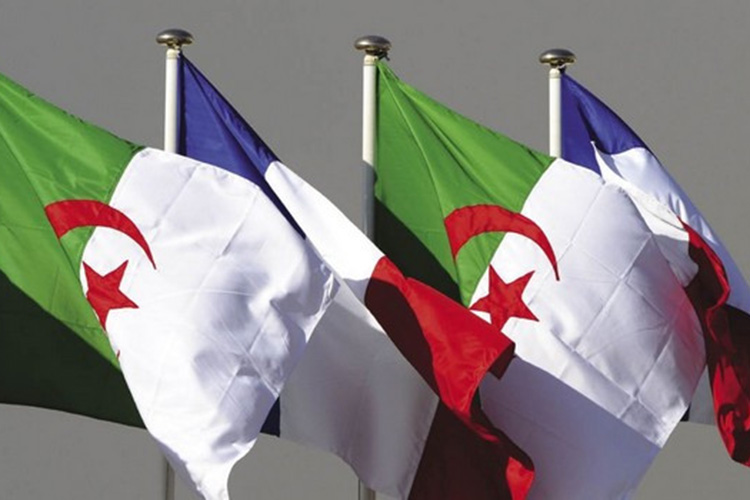
French authorities are moving toward further escalation in their relations with Algeria, with the Élysée Palace intending to cross the red line by cancelling the 1968 agreement, which the French claim grants Algerians preferential treatment in immigration, employment, and education—allegations denied by the Algerians.
French Prime Minister Sébastien Lecornu was asked whether the French government had a clear direction on migration issues with Algeria. In an interview with the newspaper “La Voix du Nord” (Voice of the North), published on Sunday, February 8, 2026, he replied: “Yes. We do. This entails, regarding migration, renegotiating the 1968 agreement, as agreed upon between Presidents Tebboune and Macron in 2022. This agreement no longer serves our interests, and it is urgent to reach a new agreement. The President of the Republic has decided to take several initiatives in the coming weeks to ensure we achieve concrete results”, indicating the French side’s intention to unilaterally review the agreement.
The French Prime Minister speaks of an agreement he claims was signed between the two countries’ presidents in 2022. However, two years later, the two countries entered an unprecedented political and diplomatic crisis due to the French President’s unfriendly stance on the Western Sahara issue, siding with the Moroccan regime. This decision, as is well known, caused tensions between the two capitals to reach an all-time high.
This means, according to observers, that the cordiality that existed between the two presidents and led to the alleged agreement, as stated by Sébastien Lecornu, no longer exists today, given the breakdown in communication between the two countries. This renders the French side’s promotion of a supportive Algerian stance unfounded, especially since Algerian circles have leaked a position completely rejecting any such move, following the escalation of political and diplomatic tensions between the two countries nearly two years ago.
Perhaps what indicates this trend is the recent statements made by President Tebboune during his last meeting with representatives of the national media. He expressed strong anger towards the French authorities while answering journalists’ questions. Despite declaring that he would not respond to questions related to France, he displayed considerable firmness regarding the current crisis, employing a common Algerian expression that underscores defiance: “No one who wants to humiliate Algeria was born.”
But what do the laws governing such international agreements say, and can they be unilaterally abrogated?
Dr Mohamed Khodja, former director of the Institute of Political Science at the University of Algiers, believes that bilateral agreements, such as the 1968 agreement, can be unilaterally abrogated if a party deems them no longer serve its interests. However, this abrogation must be within the framework of the original agreement, as was the case with Algeria’s unilateral abrogation of the civil aviation agreement with the United Arab Emirates.
In an interview with Echorouk, Khodja explained that the party deciding to unilaterally withdraw from the agreement must notify the other party and maintain the agreement’s validity for a predetermined period. He also downplayed the repercussions of this withdrawal on Algerians, arguing that the 1968 agreement had been effectively emptied of its content, having been revised three times—in 1985, 1994, and 2001.
Regarding what has been said about its connection to the Evian Accords, the former director of the Institute of Political Science asserted that even this agreement has not much left, after the nationalisation decisions that affected the hydrocarbons sector and the economic sector in general. The damage that will befall France if it decides to cancel the 1968 agreement is related to the properties occupied by the French diplomatic and consular missions in Algeria, which are Algerian properties that were rented for a symbolic franc, unlike the headquarters of the Algerian missions in France, which were bought by Algerians with their own money.