Prerogatives of Judicial Military Police Confined to “State Security Issues” Only

-
-
573
-
0
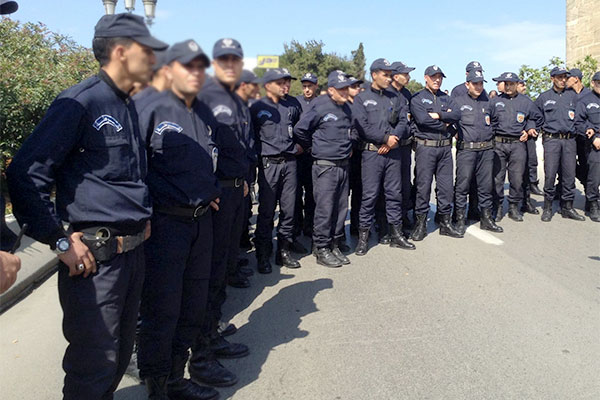
The functions of the judicial police are limited to the officers and non-commissioned officers of the Military Security Services – the security services of the ANP army – in relation to the crimes against the security of the State provided for and punishable under the country’s Penal Code.
A presidential decree amending the Code of Criminal Procedure, published in the latest issue of the Official Gazette, states that the training of judicial police officers for the military security services is carried out by the Attorney General at the Algiers District Council.
The new legal text allows the Attorney General, Temporary or final withdrawal of rehabilitation. “Under the authority of the Attorney-General, the Under-Secretary of the Republic shall assign the officers of the Judicial Police to serve in the Court’s jurisdiction and shall be taken into account for each promotion.
In case of lapses attributed to a judicial police officer belonging to the military establishment, the matter shall be brought to the indictment chamber either by the Attorney-General or by its President, and the Chamber of Indictment may consider it on its own initiative in the case of a case before it.
The accused officer may be assisted by a lawyer. If the indictment chamber considers that the accused has committed a common law offense, it shall order the file to be sent to the Public Prosecutor.
If the matter concerns the judicial police officer of the military security services, the matter shall be referred to the Minister of National Defense.
In line with article 248, the new amendments brought about the creation of a second appellate primary criminal court at the headquarters of each judicial council, specializing in “addressing and taking court decisions in relation to offenses described as crimes and misdemeanors”.
The Court of First Instance shall hear cases referred to it by final decision of the indictment chamber.
The sessions of the Tribunals shall be held every three months and may be extended by additional orders, or under the proposal of the Attorney-General.