Ramadan in Constantine: The amazing image of solidarity mixed with an exceptional smell of history and customs

الشروق أونلاين
-
-
3442
-
0
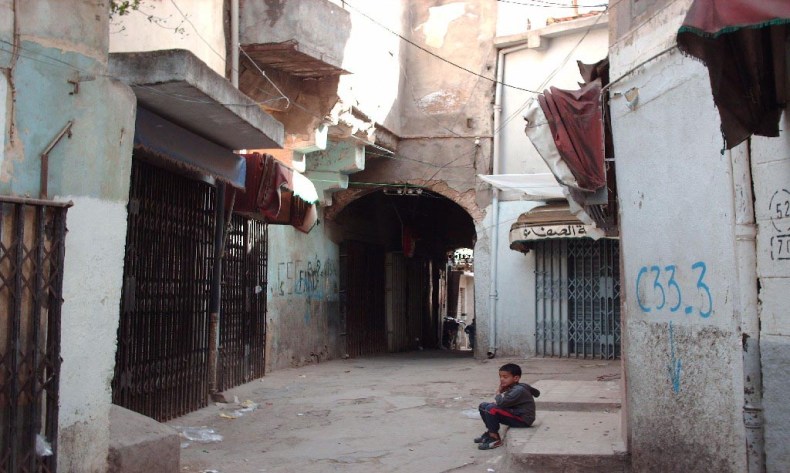
This picture was caught minutes before the Iftar in "Swika" the old city
Ramadan in Constantine, east of Algiers, is an opportunity to discover the local cooking with the flavors of the old medina « Swika » where an amazing image of ancient streets and houses which were built by many civilizations and where the smell of Ramadan is exceptional.
-
Above all, Ramadan is the month of piety, devotion and solidarity among Muslims, so all places of worship in the city of Constantine (east of Algeria), including the beautiful mosque Emir Abdelkader, adorned with a thousand lanterns and prepared for the influx of the faithful.
-
In Constantine, Ramadan in also the moment for the pleasures of the table, tasty food and sweets of all kinds like the Djawzia, Baklawa, and Zelabia.
-
And in Constantine, perhaps a little more than elsewhere, we jealously guard the secret of many recipes for cakes that can only be transmitted from mother to daughter. Some typical sweets require special care and additional expenses because of the purchase of expensive but essential ingredients such as nuts, hazelnuts, almonds and pistachios, excluding butter, which must necessarily come from cow milk.
-
During the holy month of Ramadan, it is difficult to resist the temptation to enjoy what would be one piece of sweet Baklawa or K’taief made in Constantine and carefully prepared and cut with skill and love.
-
At the first day of Ramadan, most of the families in Constantine prepare a traditional recipe called “Gh’rayef, Baghrir or Qorça”, better known in central and west regions of Algeria. Pure honey should be on hand for the “Gh’rayef” in order be tasted and appreciated at their true value.
-
For the inhabitants of Constantine, the month of Ramadan is also synonymous with cleanness of the soul, apart from observing the fast during the day, Taraweeh in the night and the Tahadjoud prayer which should stop just before the muezzin’s call to prayer at dawn during the ten days of fasting.
-
One of the customs for the families of Constantine is repainting and cleaning their homes with water at the eve the holy month.
-
The city was originally created by the Phoenicians, which they called the Sarim Batim (royal city). Later, this name was Cirta, which means, in Phoenician “city carved into the rock”.The city was taken over by Numidia, the country of the Berber People after the defeat of the Phoenicians during the 3rd Punic war.
-
In 112 BC the city was occupied by Jugurtha who defeated his half brother, Adherbal. The city later served as the base for Roman generals Quintus Caecilius Metellus Numidicus and Gaius Marius in their war against Jugurtha. Later, with the removal of King Juba I and the remaining supporters of Pompey in Africa (c46), Julius Caesar gave special rights to the citizens of Cirta, now known as Colonia Sittlanorum.
-
In 311, during the civil war between emperor Maxentius and usurper Domitius Alexander (a former governor of Africa), the city was destroyed. Rebuilt in 313, it was subsequently named after emperor Constantine the Great, who had defeated Maxentius. Conquered by the Vandals in 432, Constantine returned to the Byzantine exarchate of North Africa from 534 to 697. It was conquered by the Arabs in the 7th century, receiving the name of Qusantina.
-
The city recovered and in 12th century was again a prosperous market, with connection to Pisa, Genoa and Venice. Since 1529 it was intermittently part of Ottoman Empire, ruled by a Turkish bey (governor) subordinate to the dey of Algiers.
-
Salah Bey, who ruled the city in 1770-1792, greatly embellished it and built much of the Muslim architecture still visible today.
-
In 1826 the last Bey, Ahmed Bey ben Mohamed Chérif, became the new head of state. He led a fierce resistance against French forces, which invaded Algeria four years later. By 13 October 1837 the territory was reconquered by France, and from 1848 on until 1962 it was an integral part of the French motherland and center of the Constantine Département.