Seven Critical Economic Files Are Waiting For Ouyahia's “Fatwa”

-
-
557
-
0
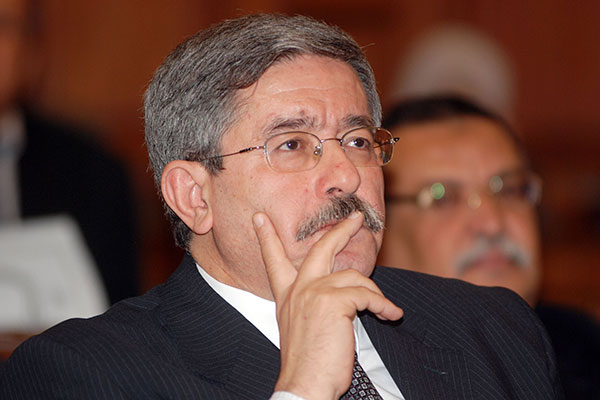
Finance Act of 2018 and the tripartite meeting which are expected to be held in Ghardaia province (Southern Algeria) on September 23, will be the most important economic files to be placed at the table of the Prime Minister, Ahmed Ouyahia, who is returning to the executive branch, five years after his departure, as he will decide about seven major economic files.
New government is expected to propose what the draft fiscal law will include for the coming year by September, with stricter measures, while the tripartite will address the economic crisis, industrial real estate, automobile factories, import regulation and the private sector, as the file of external debt is expected to be discussed strongly by Ouyahia, as he did during his campaign on last May’s legislative elections .
Financial Law of 2018 is expected to show the smell and color of the supplementary finance law for the year 2009, especially with regard to the procedures for organizing foreign investment, similar to rule 51 /49, applying the principle of pre-emptive right, and even regulating the importation and financing through the debenture loan, and abolishing the consumer loan, that were applied when he was appointed as PM in 2009.
Ouyahia is known for adopting a “financial rigidity” policy to cope with economic crises, with the option of giving up luxuries to keep the remaining dollars in the foreign exchange reserve, which is now close to $ 100 billion.
Next tripartite meeting, which is reliable to melt the ice between the government and its social partners, especially the return of friendship between the executive branch and businessmen from the forum of heads of institutions, will be an opportunity to bring the public and private sectors closer, and attract businessmen to give bribes to the state, which enabled them in the years of forgiveness from large financial exemptions and tax facilities and great privileges for investment.
According to observers, Ouyahia is known for being different from his predecessor Abdelmadjid Tabbune, in the way of work, as the new prime minister is expected to seek the implementation of the content of the new constitution, which emphasizes and enshrines the principle of “no difference between the private and public sectors”, especially in light of the difficult financial situation that is experienced by the treasury, which necessitates the use of private sector funds to finance the next phase, through the formation of a new institutional fabric, and the opening of investment in all sectors, and the establishment of partnership between public and private institutions.
The new book of conditions that is regulating the activity of manufacturing, installing and assembling cars, which Tabboune has already announced its revision, remains a more stringent procedure in terms of increasing the percentage of integration and granting concessions to investors, is the most important files that are awaiting the consultation of the new Prime Minister, and the decisions that are taken recently, especially with regard to the temporary suspension of factories for cars installation, the cancellation of projects of industrial property sheds, and the cancellation of the bank settlement freezing for 36 products, and the release of goods that are held in ports for more than a month, and the imposition of licenses to regulate imports, and many economic measures that have sparked a whirlwind in recent times.