What Algeria Gains from Key AU Positions
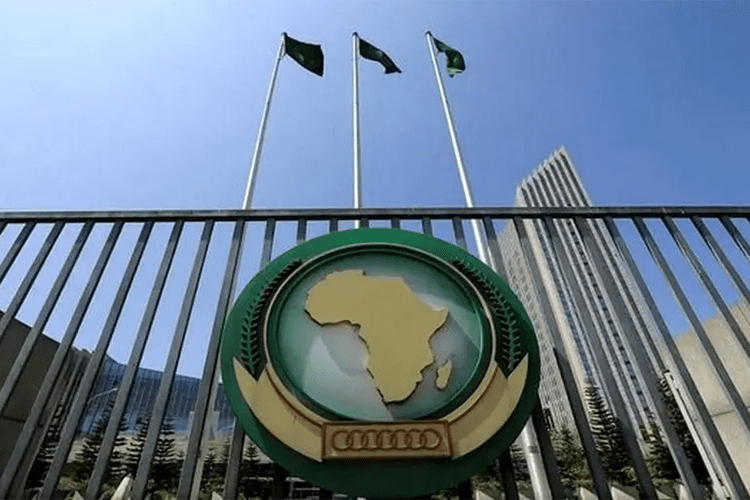
Algeria has strengthened its presence within the African Union’s subsidiary bodies after successfully securing leadership roles in several strategic institutions affiliated with the continental bloc. These achievements add to a series of diplomatic victories that have intensified competition between Algeria and Morocco, including the 2025 election for the presidency of the African Union Commission.
In the latest development, Algeria’s Permanent Representative to the African Union, Ambassador Mohamed Khaled, was elected chair of the Committee of Permanent Representatives responsible for human rights, democracy and governance.
Algeria was also selected to sit on a number of key committees and bodies, including the Ministerial Committee on Candidatures within the international system, the Ministerial Committee overseeing the implementation of the African Union’s Agenda 2063, the Committee of Permanent Representatives on environmental affairs, the Specialized Technical Committee on Culture, Youth and Sport, the Specialized Technical Committee on Communications and Transport, as well as the Continental Operations Centre for combating irregular migration, based in Khartoum.
At the end of last April, Algerian Council of the Nation member Fateh Boutbig secured a decisive victory over his Moroccan rival, former minister Lahcen Haddad, in the race for the presidency of the Pan-African Parliament. Boutbig won by a wide margin, receiving 19 votes compared with only four for Morocco’s candidate. The importance of this position lies in the fact that it is considered the second-highest post within the African Union.
However, the most significant achievement — given the intensity of the electoral competition — remains Algeria’s victory in the February 2025 race for the position of Deputy Chairperson of the African Union Commission. Algerian diplomat Selma Malika Haddadi defeated Morocco’s candidate Latifa Akherbach, in what was seen as a major setback for the Moroccan regime’s efforts to expand its influence within AU institutions, paving the way for greater control over the organisation in cooperation with the Zionist entity.
Algeria is also a member of the African Union Peace and Security Council for the 2025–2028 term, representing the North African region at the expense of Morocco. The council is considered the continent’s most important body for conflict management, mediation and political intervention. Several prominent Algerian diplomats have previously served in this institution, including veteran diplomat Ismail Chergui and former Foreign Minister Ramtane Lamamra.
But what does Algeria actually gain from holding influential positions within African Union institutions? And can this growing presence help limit Morocco’s efforts to expand its influence over the continental organisation?
But what does Algeria gain from securing key positions within African Union institutions? And will this help curb the Moroccan regime’s drive to take control of the African Union, in cooperation with the Zionist entity, following Morocco’s return to the organisation in 2016 after a withdrawal that dates back to the 1980s?”
According to Toufik Bougaada, professor of political science and international relations at the University of Algiers 3, Algeria’s leadership roles within African Union institutions provide it with a strategic position inside a highly influential continental organisation at a time of major global transformations.
Speaking to Echorouk, Bougaada said that “Algeria’s leadership of institutions or bodies within the African Union does not generate direct financial gains, but it provides significant political, diplomatic and strategic benefits — the kind of advantages sought by countries pursuing carefully calculated geopolitical objectives.”
Among these objectives, he explained, is expanding Algeria’s political influence across Africa by giving it greater ability to shape the Union’s priorities and agendas, while advancing its positions on regional issues such as security in the Sahel, African development, and causes considered important on the continent.
This strategy also contributes to strengthening Algeria’s international standing. Holding leadership positions within the African Union provides Algeria with greater visibility among global partners, including the United Nations, the European Union and the BRICS group. It also reinforces the perception of Algeria as a country capable of leading regional initiatives, according to the analyst.
Another dimension of Algeria’s presence in African Union institutions, Bougaada noted, relates to economic interests. These positions can help facilitate the development of trade and economic partnerships with other African countries, while supporting continental connectivity projects such as the Trans-Saharan Highway, energy networks and communication infrastructure.
In addition, Algeria’s institutional presence within the AU provides it with a stronger platform to promote approaches aligned with its vision for countering terrorism and organised crime in the Sahel region. It also strengthens its soft power by highlighting its diplomatic experience, its historical role in supporting African liberation movements, and its ability to build broader networks of trust and cooperation with African governments.
According to Bougaada, this diplomatic advantage is particularly significant because Algeria’s influence and relationships across Africa had weakened during the previous two decades due to domestic and political circumstances under the former president.