What Algeria Means To French Foreign Policy
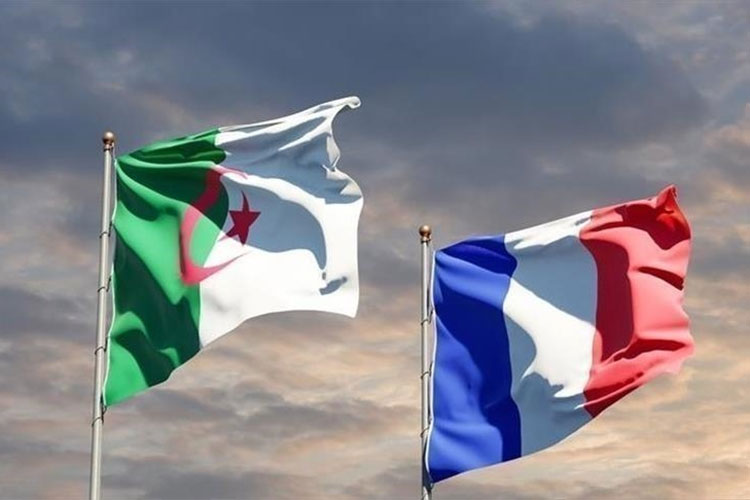
Statements made by a prominent French diplomat, Maurice Bordeaux-Montaigne, former Secretary General of the French Foreign Ministry, reveal the importance that Paris attaches to Algeria in its foreign policy, as Algeria and Germany are considered two main countries on which France depends to maintain stability and peace in Africa and Europe.
Montaigne said in an interview with a Gulf satellite channel: “I believe that the relationship between France and Algeria is a special relationship, as one of the ambassadors told me when I started working in the diplomatic corps. There are two important countries for France, namely Germany, which is seen as the basis for stability and peace in Europe”.
As for “the second country, it is Algeria, because the relationship with Algeria is not just a relationship between two states, it is also a relationship between two peoples, and we have many French people of Algerian origin in France, and we have a lot of feelings in both countries, and this relationship is difficult and has gone through very painful times, and work needs to be done”. It has to be done by rebuilding trust around joint projects to inspire confidence in new generations, which has to be done”.
Montaigne, who previously served as chief of staff to former French president Jacques Chirac, spoke of the importance of other Maghreb countries such as Tunisia and Morocco in his country’s foreign policy, but he placed them in the second row in terms of importance compared to Algeria, contenting himself with talking about the importance of their role in making the “White Sea” a “region of peace and stability”, as was the case in Roman times.
What was said by the most important French diplomat of the last thirty years coincides with what was confirmed by the newspaper “Le Monde” about the testimony contained in the book by the former French ambassador to Algeria, Xavier Driencourt, in his book “The Algerian Enigma”, who said, among other things, that Algeria is considered “In the wheels of the French state as an internal affair, justifying this by the presence of millions of Algerians on French soil.
However, when asked about his country’s controversial handling of the colonial past in Algeria, Maurice Bordeaux Montaigne, who previously headed the office of former French Prime Minister Alain Juppé, avoided going into this sensitive issue and spoke of the measures announced by the French President, Emmanuel Macron, on the involvement of the French army in the crimes that claimed the lives of the Tutsi race in the Republic of Rwanda.
Although the question relates to his country’s dark colonial past in Algeria, the retired French diplomat did not say a single word on the issue of memory, in a remarkable evasion that shows the great sensitivity of this issue on the French side because of its embarrassment, and he replied by saying that “the march of history must take it brick by brick, because history is surrounded by many feelings and therefore work should be done slowly. Work is being done with Rwanda on the genocide of the Tutsis and declarations have been made. I think there is enough time to deal with this and we must maintain dialogue…”.
The answer was not at the level expected from this diplomat, who served as ambassador to Germany, Britain, China and Japan before retiring and is Secretary General of the Ministry of Foreign Affairs under the current president, Emmanuel Macron, and he did not even mention the existence of a joint committee of Algerian and French historians, as he believed, with the difficulty of reaching an agreement on memory, given the French side’s evasion of assuming its historical responsibilities in this regard.