WHO: Algeria third in the list of the world ranking for the spread of swine flu

الشروق أونلاين
-
-
898
-
0
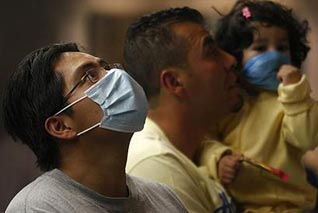
Algeria was classified in the group of the African countries that must be placed under surveillance because of the epidemiological situation in these countries.
-
Algeria was classified third in the list of the African countries that recorded the largest number of cases of swine flu, in the report of the Regional Bureau for Africa, which belongs to the World Health Organization.
-
-
H1N1 flu is on the top of the list of epidemics, as referred to in the report of the Regional Bureau for Africa and the WHO in the week between the 27th July and next 2nd August.
-
-
The report included a number of epidemics in the continent, including those due to the outbreak of war and armed conflicts.
-
-
Algeria ranged third among the countries that recorded the largest number of cases of epidemics, noting that these cases came to Algeria from American, European and Asian countries.
-
-
The WHO has urged Algeria and other concerned countries to tighten health surveillance in order to control the situation.
-
-
The report also noticed that the cases of swine flu are increasing in Africa; they reached 185 cases until the last 24th July. Algeria is third among 12 countries that were mentioned in the report, where the cases of swine flu reached 14 (now 16) after South Africa with 119 cases and Kenya with 22 cases, and other African countries such as Uganda with 7 cases, Cape Verde 6 cases, Ethiopia 4 cases, and two cases in each of Ivory Coast, Mauritius, Seychelles and Botswana, while other countries like Namibia, and Tanzania recorded only one case until now.
-
-
The report did not exclude other African countires such as Morocco, Egypt and Tunisia, because these countries did not record cases of death among the infected, however, the new cases continue trend upward.
-
-
As indicated in the map of H1N1 virus in the above-mentioned period and the final week of July, Algeria is the only North African country which recorded many cases of swine flu, as reflected in the classification of the countries that require intensive health surveillance.