5 million schoolchildren deprived of required pinafores

الشروق أونلاين
-
-
1403
-
0
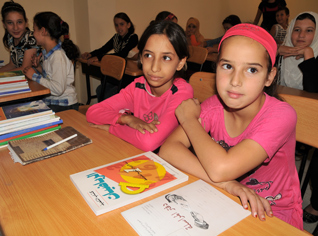
Only 40% of the overall number of the Algerian students possess pinafores, though more than two months passed since the issue of the ministerial order to streamline their colors all over the Algerian schools, the president of the Children’s Parents Associations National Union has revealed.
-
-
-
This decision obliges girls to wear pink pinafores in the primary and intermediate levels and white in the secondary while boys have to wear blue pinafores all along their school curriculum. But financial constraints on the families prevented them from offering these pinafores to their children as their budgets were squandered in Ramadhan and the start of the school expenses.
-
In order to compensate that lack, the Union has announced the selling of the pinafores inside schools to enable the parents who didn’t buy the apron frothier children to make up for the problem caused by the shortages registered on the matched.
-
M Khaled Ahmed yesterday revealed to “Echourok” that the parents who didn’t acquire pinafores for their children yet have the possibility at the level of their primary and high schools with a fair price in comparison to that applied elsewhere.
-
He further added that the Children’s Parent Association has sealed a deal with a private operator who will supply them with the required quantity on due time. He called on the parents to get in touch with parents’ representatives or send their request through the Association’s website in order to facilitate the task for the Association to order the needed quantity, knowing that major cities like Algiers, Oran, Tizi Ouzou, Setif , Oran and Annaba witnessed supply disturbances.
-
M Khaled Ahmed has indicated that the pinafores “crisis” will be solved within 15 or 20 days especially that huge quantities were imported from Tunisia and Morocco to offset the shortage.
-
In this respect the president of the Association has called on the education ministry to give another delay for the parents in order to buy pinafores for their children, especially that some remote regions in the southern parts of the country are ill-supplied.