Abdelouahab Derbal Is Visiting Tunisia To benefit From Its Electoral Experience

-
-
923
-
0
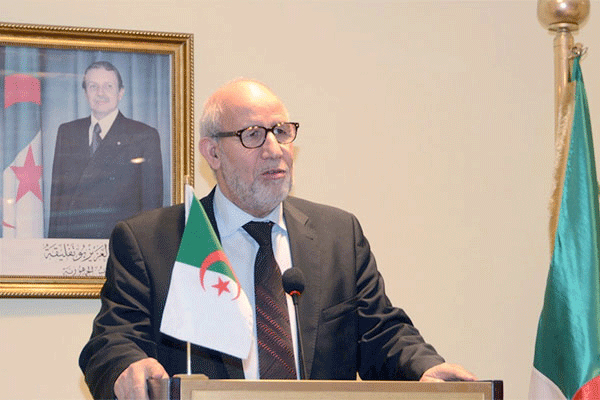
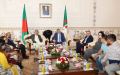
Chairman of the Independent High Electoral Commission, Abdelouahab Derbal, is paying a working visit to Tunisia, since Sunday, to discuss the experience of the eastern neighbor in organizing and monitoring the electoral process, despite the recent democratic experience in this country, which lasted only seven years.
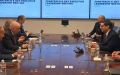
Derbal will meet during this visit, which will be extended to Tuesday, with the head of the Independent High Commission for Monitoring Elections in Tunisia, Mohamed Tlili Mansri, according to a statement that was issued by the authority on Sunday.
The purpose of the visit is to “consecrate the principle of consultation and exchange of opinion and experience to enrich the experience of the two parties in the field of electoral supervision, in the interest of the two countries and reflecting the aspirations of the two peoples to establish fruitful and integrated cooperation”.
It is clear through the statement that the Algerian authority seeks to benefit from the Tunisian experience in monitoring the electoral process.
The Tunisian neighbor succeeded in improving the electoral process since 2012, when it managed to eliminate the manipulation of the votes of voters.
In Algeria, the electoral process is still being questioned by the various political actors, despite the efforts of Derbal’s Commission, which does not have the broad powers of its Tunisian counterpart.
Algerian and Tunisian bodies differ in their capabilities, functions and powers. If they agree on the final goal, which is to monitor the electoral process and ensure its integrity, the difference is experience because the Algerian body was only created last year.
The Tunisian body is an “independent and permanent public body with moral personality and administrative and financial independence”, in accordance with its basic law. It is composed of the Council of the Commission, which has a governing authority and an executive organ. It is composed of nine elected members. It also carries out all operations that are related to the organization and administration of elections and provision of the election calendar and referendums, the determination of the files of the candidates, the development of mechanisms for the organization, administration and oversight guaranteeing the integrity of the elections, the counting of votes, the announcement of results and the monitoring of the financing of electoral campaigns.
The Algerian authority came in accordance with Article 194 of the Constitution, amended on March,6, 2016. It is headed by a national figure that is appointed by the President of the Republic, after consultation with the political parties. Its mission is to ensure “the transparency of the presidential, legislative and local elections, the referendum and its impartiality, oversee the management review of electoral lists, and formulate recommendations to improve the legislative and regulatory texts that are governing electoral processes.
The statutes of the two bodies vary widely, as the Tunisian body is elected by the parliament, which places it in a freer position, while the Algerian body is appointed which make it belong to its appointed party.
The Tunisian Commission accompanies the electoral process from its beginning to its end with executive powers , such as deciding on the files of the candidates and announcing the results, unlike the Algerian body, which was deprived of some sensitive tasks such as the announcement of the election results, which remain one of the powers of the Interior Ministry.