Algeria Demands Two Permanent Seats For Africa In UN Security Council

-
-
1109
-
0
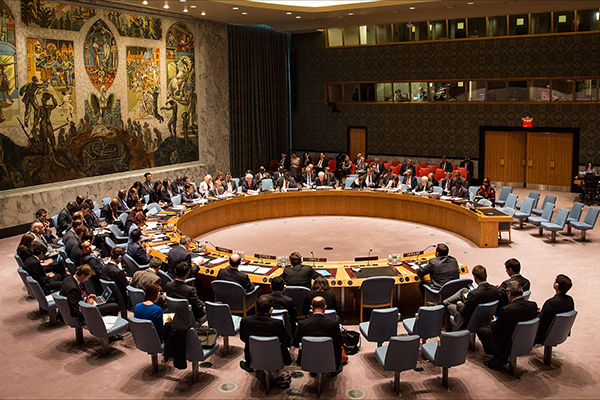
Algeria called for the need to grant two seats to Africa in the UN Security Council, through conducting a comprehensive reform of this body.
“It is important to realize a comprehensive reform of this UN body”, Deputy Permanent Representative of Algeria, Ambassador Bessaddik Mohamed, said on behalf of the Algerian delegation during the first meeting of the Working Group on Negotiations among Governments on the issue of equitable representation at the Security Council.
“This reform should focus on the key issues that are related to the five chapters of membership categories, geographical representation, the size and working methods of the Security Council, the relationship between the Security Council and the General Assembly and the right to veto”, he added.
“It is important to separate these chapters”, calling for stopping injustice that is practiced against Africa.
The Algerian diplomat expressed Algeria’s support for the declaration that was made by the Permanent Representative of Sierra Leone as a coordinator of the 10 AU Heads of States and Governments’ Committee on Security Council reform, recalling the importance of the Ezulwini Consensus, in which African Heads of States and Governments called for two seats as permanent members and two additional seats as non-permanent members.
“It is impossible for Africa to remain the only continent that is not represented in the category of permanent members. Equitable geographical representation and presence in both categories of the Security Council would allow an increased legitimacy of the Security Council at the level of Member States and international public opinion”.
“Algeria believes in a more Representative, democratic and transparent Security Council, so that it will become more effective”; he said.
He also called for “the flow of negotiations that are available on the United Nations channel (on the Internet) to give greater transparency to its work”.
On the other hand, the Algerian diplomat regretted that “the document that is emanating from the previous session of the intergovernmental negotiations did not reflect the common African position, which was nevertheless granted broad political approval during the previous session”.
With regard to the selection of representatives, a friend made a call to “stop using this issue as a means”, and asserted that “this decision is the sole authority of the African Union, which has its own mechanisms in the field of selection of candidates to win the available positions to the multilateral organizations, including the United Nations”.