Algeria In 2021: A Growth Path With A New Economic Launch
After the year 2020, which was marked by the negative repercussions of the pandemic COVID19, Algeria returned in 2021 to the path of growth and financial balances, marking a new economic start for the country.
After a decline of 4.9% in 2020, the gross domestic product recorded a record increase of more than 6% during the second quarter of 2021, and these results show the economic recovery that the country is witnessing during the current year.
The Algerian economy was able to return to growth thanks to the positive results achieved in various sectors, especially the hydrocarbons sector, which recorded an increase in sectoral value +10.3% (compared to -10.2% in 2020).
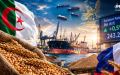
In this context, official figures show a remarkable increase in hydrocarbon exports, by 60% in value and 12% in volume, while exports outside hydrocarbons recorded an unprecedented historical level since independence, achieving about $5 billion (+160% compared to 2020).
As for Algeria, whose economy is still closely linked to hydrocarbon revenues, the past year was more generous than 2020 in terms of the price of a barrel, as the annual rate of the Blend Desert mixture moved from $41.8 to more than $65.
This price improvement is mainly due to the recovery of the global economy and the efforts of the Organization of Petroleum Exporting Countries (OPEC) and its allies to maintain market balance.
Parallel to the rise in exports, the imports registered a significant decline, reaching $30 billion, half their value 10 years ago. This is a “structural rather than circumstantial decline”, according to President Abdelmadjid Tebboune.
It is also the result of “reflecting the level of corruption and waste that the country has known during the previous years”, according to the statements of the Prime Minister, Minister of Finance, Aimene Benabderrahmane.
Thanks to the embodiment of the policy of rationalizing imports, the country was able, after years of deficit, to record a surplus in the trade balance of more than one billion dollars at the end of November, a positive balance that is expected to exceed the value of 2 billion dollars at the end of the year. Accordingly, the country’s export income has allowed it to cover the costs of imports in 2021 without resorting to exchange reserves.
Given these results, the balance of payments deficit will not exceed $5 billion in 2021, compared to $16 billion in 2020, figures that until recently were “a dream”, as the prime minister put it.
However, the pandemic nevertheless had tangible effects on inflation, which rose to 5% at the end of the year (compared to 2.4% in 2020), due to the increase in the prices of raw materials at the international level and logistics costs, which pushed prices to rise locally.
The health crisis that the country experienced since the first trio of 2020 – like the rest of the world – has also exacerbated the budget deficit due to the rise in expenditures directed to face the financial effects of the crisis.
However, in contrast to some pessimistic scenarios, Algeria did not resort to printing money or external borrowing, as the treasury was fully financed by resorting to treasury mechanisms and the Revenue Control Fund.
The Board of Directors of the International Monetary Fund considers in this regard that “the rapid response of the Algerian authorities has allowed reducing the health and social effects of the crisis.”
After it consults with Algeria for the year 2021, the Fund’s Board of Directors confirmed that “the Algerian economy is in the process of gradual recovery from the two shocks that it was exposed to simultaneously during 2020, namely, the Covid-19 pandemic, and the decline in oil prices.”
In addition to structural reforms and measures to address the health crisis, the year 2021 was also marked by the strengthening of the legal arsenal of the economy, especially with the effective entry into force of the new hydrocarbons law, the preparation of new investment law and the approval of a law criminalizing speculation.