Algeria to Increase IMF Quota
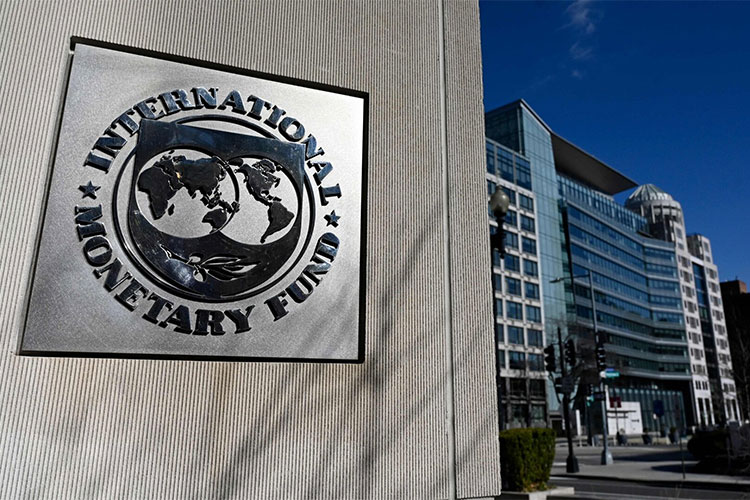
Algeria is preparing to raise its share with the International Monetary Fund, during the next review of member states’ contributions scheduled for 2025.
This comes after its success in reviewing the GDP base, which qualifies it for larger shares in the International Monetary Fund, which praised the economic reforms achieved in Algeria, revealing indicators that suggest the opening of a new page between Algeria and international financial bodies.
In this context, the Minister of Finance, Laaziz Fayed, received last week at the ministry’s building, Bahador Bijani, the executive director at IMF representing Algeria, Ghana, Iran, Libya, Pakistan and Tunisia at the Executive Board.
This meeting, according to a statement by the Ministry of Finance, “represented an opportunity to exchange views on issues related to the governance of the International Monetary Fund, on the status and prospects of cooperation between Algeria and this agency”.
Laaziz Fayed reviewed with his speaker the results of the macroeconomic framework, which remains stable with positive real GDP growth, in line with the forecast of the International Monetary Fund, and this is evident through low inflation, achieving a current account surplus, and low gross public debt.
The Minister of Finance confirmed the strong position of the Algerian economy, supported by industrial activity and investment in the agricultural sector, which is witnessing promising results.
Moreover, Fayed stressed to his interlocutor Algeria’s strong commitment to an ambitious program of reforms aimed at enhancing economic outcomes for sustainable and inclusive development.
These reforms include reviewing the budgetary framework, digitizing financial management, diversifying the economy, as well as implementing initiatives aimed at improving the business climate and encouraging entrepreneurship, such as reforming industrial real estate and facilitating public procurement procedures.
He also explained that Algeria has engaged in a process of structural and deep reform of the banking system by adopting the new monetary and banking law, which aims to modernize the sector to enable it to adapt to current and future developments, especially in its technological aspect, which will allow ensuring a suitable climate for economic customers and providing them with digital banking services.
“These reforms will be followed by other important measures, such as issuing the public-private partnership law”, he added, “the efforts made by our country to diversify its economy will allow it to improve export levels outside the hydrocarbon sector, which will rise from $7 billion to $13 billion by 2025”.
Regarding the cooperation between Algeria and the International Monetary Fund, the Minister of Finance praised the joint work between his ministerial department and the experts of this fund, especially in the field of budget management, collection, and treasury.
The minister called on his interlocutor to intervene at the level of the Board of Directors of the International Monetary Fund to enhance its support in the field of knowledge transfer and capacity building to support Algeria in its broad program of reforms.
For his part, Bahador praised Algeria’s efforts to lay the foundations for strong economic growth, which the International Monetary Fund confirmed through its assessment report under Article 4 of its statute.
He also congratulated Algeria for its prospective approach in reviewing the real GDP growth, which enables it to improve its quota in the International Monetary Fund, on the occasion of the next review of member states’ contributions to this fund scheduled for 2025.
He also affirmed his commitment to advocating at the IMF Board level for intensifying knowledge transfer processes to developing countries of the South, while respecting the context and specificities of each country.