Alternative solutions for Algeria to face up to dwindling oil prices

-
-
1495
-
1
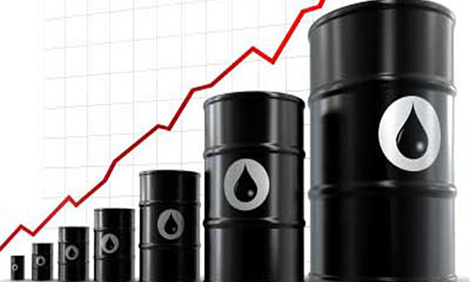
A senior expert in prospective studies, Doctor Bachir Massitfi, has asserted that the Algerian government will have now to grapple with a looming crisis with bleak scenarios because the price of oil has declined by 50 percent since 2013 (from $1110 to $55 a barrel). Oil and gas are nearly all (97 percent) of the country’s export revenues, and 40 percent of GDP.
In a statement to Echorouk, he affirmed that this oil revenue is an essential tool for keeping an increasingly unhappy population quiet. For example in 2011, the government announced huge (over $200 billion) investment plans for the rest of the decade, to build infrastructure and support job growth.
But such promises had been made before, and somehow never panned out, he added.
This time the investment plans have largely been fulfilled, at least so far and that had managed to keep a lid on popular discontent, Massifti further said.
“Current government spending plans assume an oil price of $100 a barrel. Some programs can be cut or delayed while some money can be borrowed”.
“But not enough of this will make up for revenue lost when oil stays at $55 a barrel. If that happens, the situation gets dangerous and possibly ugly as the population suffers more economic woes”, he underscored.
For his part, seasoned economic expert, Abderrahmane Mebtoul, concurred in his analysis of this worrying situation and quoted Central Bank governor Mohammed Laksaci as warning earlier this week that the oil and gas dividend won’t last forever though nearly $200 billion of foreign reserves can help cushion the blow in the short-term.
“This capacity to resist such shocks will disappear quickly if the price of oil stays at a low level for a long time,” he told parliament recently, deploring the economy’s continued dependence on oil.
“The risks that come with market reform and privatization are too daunting for Algeria right now”, Mebtoul explained.
According to the International Monetary Fund’s latest report on Algeria, growth for 2014 is estimated to be a decent 4 per cent.
However, it cautioned that with declining oil production and lower prices, Algeria’s imports will exceed its exports this year for the first time in 15 years.
Algeria is still flush and can continue spending at its current rate for the next few years, but economist Mebtoul said the country needs to make reforms now to rein in spending and cut subsidies.
“We can’t continue to subsidize so many products knowing that these subsidies don’t really serve the people and only encourage waste,” he said, noting the heavy smuggling into neighboring countries.
Subsidies, which amount to 21 percent of the country’s annual economic output, cover electricity, many foodstuffs and its gasoline is the cheapest in North Africa.
Some 60 percent of the jobs in the country are on the government payroll and nearly everything is imported. The government also subsidizes education and provides and promotional and social housing.