Bank of Algeria: “This Is What Algeria Gains From Quitting The “GAFI” Grey List”
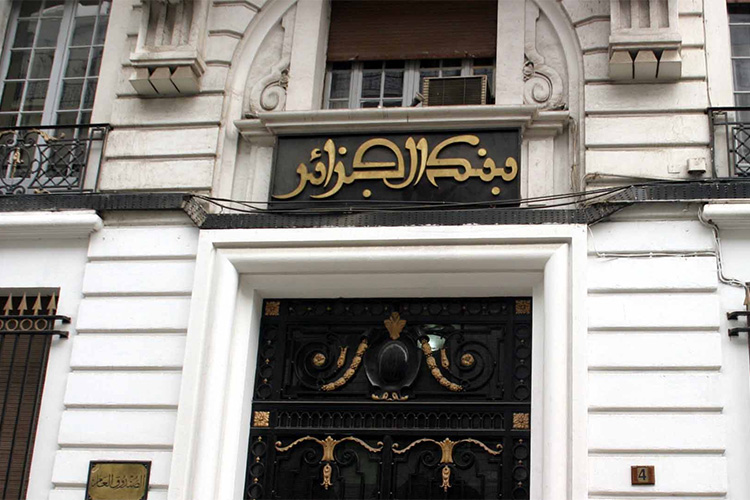
The Bank of Algeria affirmed that the recognition by the Financial Action Task Force (GAFI/FATF) of the progress made by Algeria in combating money laundering and terrorist financing represents an important strategic gain for the national economy, and reflects the success of the reforms initiated by public authorities in recent years.
According to a publication by the Bank of Algeria, on its professional LinkedIn page, reviewed by “Echorouk”, this international recognition establishes a modern, strict, and multi-sectoral regulatory system, developed under the supervision and coordination of the Bank of Algeria, and with the contribution of various national bodies and institutions concerned.
The bank explained that the National Coordination Committee succeeded in unifying the efforts of various actors to align the Algerian legal and regulatory framework with the best international standards, which allowed for strengthening the credibility of the national financial system globally.
The publication indicated that this progress will contribute to giving Algerian economic institutions a clearer vision and greater confidence among international partners, which will facilitate trade and financial exchanges and develop partnerships with foreign institutions and banks.
The Bank of Algeria also considered this achievement a positive signal for international investors, by enhancing Algeria’s attractiveness as a safe and reliable investment destination, which may reflect on the flow of foreign investments and create new opportunities for growth and employment.
In the same context, the bank underscored that the recognition issued by the Financial Action Task Force strengthens Algeria’s financial sovereignty, and confirms that its economic and financial environment has become more transparent, secure, and competitive according to international standards.
The Bank of Algeria concluded by asserting that this gain is the fruit of collective work and broad institutional coordination, and signals a new phase of strengthening confidence in the national economy and supporting its integration into the global financial system.