Black Market Exporters Are Behind The Rising Of Hard Currency Prices

-
-
1041
-
0
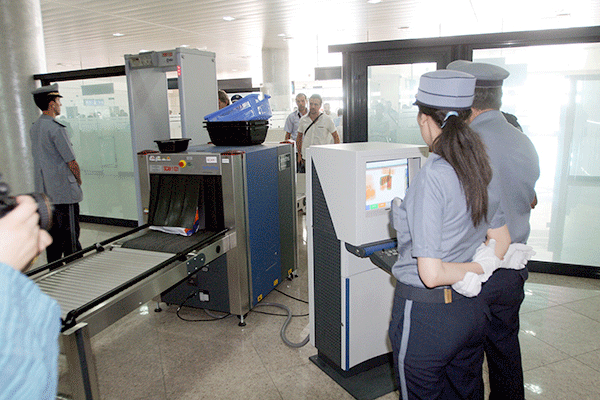
Chairman of the Export Consultations Association and expert in International Trade, Ismail Lalmas, warned of the black list that is imposed of the Trade Ministry on exportation that will be applied on January 201, on banning the import of 900 products, which will soon be demarcated according to the regulatory text.
He considered that some non-domestically produced goods, which are used by Algerians over the past few years, are expecting a strong return of the black market traders and a new rise in hard currency prices in the black market.
Lalmas explained, in a statement to Echorouk, that the decision to cancel the import licenses was quite correct, and since its adoption in 2016, specialists have advised the need to liberalize foreign trade, because the reduction of the import bill is only realized through the development of the national economy and local products, and through imposing fees that reach 60% on non-essential imports or domestically produced products, and to deal with matters in a technical rather than repressive manner.
However, he cautioned against preventing 900 products from entering the market permanently, considering that such measures would restore the “black trade” and open the doors wide for imports in illegal ways.
“Imposition of a blacklist will also create a problem of price inflation, as the latter will witness a high record, and the black market for hard currency will be pressured as the main supplier of illegal imports, which will deepen the gap between the official and informal exchange market, encouraging traders to raise the prices of prohibited goods and reduce export activities, as the official market for exchange is less than the parallel market by 60%.
He suggested to face the problem with 4 solutions, which are represented in the opening of the international trade and the imposition of internal duties on imported materials, that is, the value of the gap between the official dollar and the dollar on the black market, as the difference is 60%, asserting that this will also prevent inflating the bills, as it consumes 30% of the import bill, according to previous statements by ministers of the trade sector, in addition to encouraging national production by practical measures, accompanying local producers and encouraging national and local investment.
“It is important to adopt a policy of guaranteeing quality and not allowing the flow of non-usable and non-quality goods through the establishment of laboratories on the border and tasked them with the completion of nationally and internationally recognized reports.