Controversy raised among Muftis due to ENSEJ money

الشروق أونلاين
-
-
1854
-
0
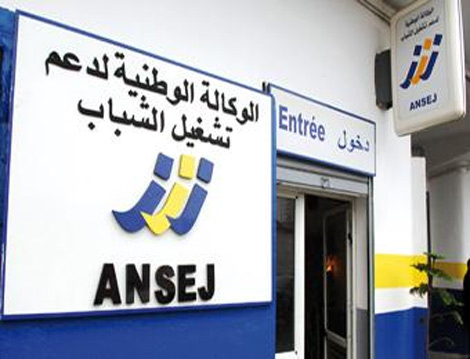
Scientific Council of the Religious Affairs Ministry decides, here on Thursday, in the most important files that raised a large controversy because of the different views and positions about them, especially the “ENSEJ” issue and the before slaughter, as the ministry aims through these files to prove that the Fatwa is among its powers, that it lost in the era of the former Minister, Ghoulam Allah.
Some of the clergy, including a member of the Supreme Islamic Council “Mamoun Al Qasimi” consider that the meeting of the National Scientific Council to study files on a certain degree of sensitivity, as he said: “For the first time a similar meeting is held to address to these files that will be presented to Fatwa, noting that the constitution also empowers the Supreme Islamic Council, which is an advisory body to the President of the Republic, but it is rarely resorted to by the Ministry of Religious Affairs in taking decision in the files or developments that are constantly raised.
It is also rarely that the ministry used members of this Council to participate in Fatwa on different files, as a former adviser to the Ministry of Religious Affairs “Adda Fellahi” explains the lack of coordination between the Supreme Islamic Council and the Association of Muslim Scholars, as well as the Ministry of Religious Affairs, in issuing Fatwas, to the existence of competition with each other on the validity of Fatwa, which the ministry insists to restore and exercise it completely, and among the bets that it relied much on them, the new minister Mohamed Issa.
Same source thinks from its experience, that the Supreme Islamic Council, as well as the Association of Muslim Scholars reserve about cooperation with the ministry, claiming that each party wants to monopolize the Fatwa, in order to obtain credibility of people, as well as official bodies, given the degree of importance of this authority, while the best thing is realizing best coordination of all these bodies”.
According to the law, the Scientific Council is authorized to discuss and follow-up times of calamity and developed issues, as it includes in its squad specialists in various fields, including doctors, therefor its views and positions do not carry additions.
Fellahi refused to consider the former minister Bouabdellah Ghoulamallah, who worked with him in his capacity as a media adviser, responsible for the lack of coordination with the Association of Muslim Scholars and the Islamic Supreme Council, believing that the ministry always open its doors.
“There is is some kind of sensitivity among all these parties, and each one thinks that has priority for Fatwa while there is no way for the individual effort in several cases. Individual effort is usually prone to inconsistencies, through the issuance of a fatwa and a counter fatwa, while the Scientific Council is an integrated entity, and it replaces the House of Fatwa, which the former Minister of Religious Affairs fails to embody, as the project that he proposed to the presidency remained inside the locked drawers.