Morocco Keen To Garner $ 121 Million Dollars From Algerian Gas Supplies To Europe

-
-
1651
-
0
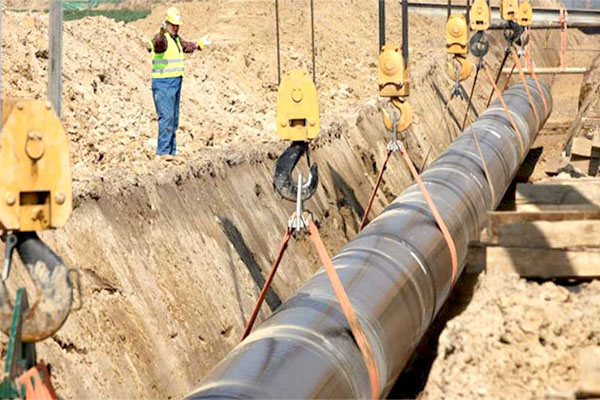
According to a Qatari daily newspaper, Morocco is betting that its financial spin-off share will reach about $ 121 million dollars from the crossing of the Algerian gas pipeline to Europe through the kingdom next year, amid expectations that the pumping of this liquefied natural gas will wrap up in late 2021.
Traffic fees collected by the Moroccan authorities for the transit of the pipeline to the European market will be slightly lower than the $ 130 million dollars forecast this year.
According to the same source, the Kingdom’s General Treasury data indicate that the revenues received by Morocco in the first nine months of this year amounted to 76.1 million Dirhams, a slump of 4%, compared with the level reached in the same period last year.
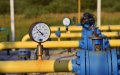
Work began on the “Morocco Arab Europe” gas pipeline in 2002, starting from Algeria towards Europe via Morocco, which thus got a share of the Algerian gas, and the pipeline is planned in its first phase to funnel about 12.5 million cubic meters of Algerian gas to Europe, especially to Portugal and Spain.
Moroccan energy expert Omar Al-Fataouaki said that Morocco does not receive money from crossing Algerian gas, but takes a share of the gas it uses to operate two power plants on its soil.
Morocco is expected to take as early as next year large quantities of Algerian gas supplies worth up to $ 121 million dollars, representing the value of the fees due to Morocco, expected next year.
Due to the crossing of the pipeline, Morocco has a fee of up to 7%, where the two plants for the production of electricity receive Algerian gas ranging between 650 and 800 million cubic meters.
The value of Morocco’s revenues is affected by the price of gas on the international market. Morocco garnered nearly $ 100 million dollars last year, after receiving $ 240 million dollars in 2004.
The contract, which codifies this pipeline to the end of 2021, does not certify whether it will be renewed after that date. This led Mr. Abdel Rahim Hafizi, the General Secretary of the Moroccan Ministry of Energy and Minerals, to stress that there are other alternatives if the contract is not renewed.
Morocco is counting on a national gas scheme it has developed in recent years so as not to be affected by the suspension of the pipeline, which is expected to help offset the flow of Algerian gas supplies.
However, the future of the pipeline remains dependent on the negotiations between Algeria, Spain and Portugal, and whether it will lead to the renewal or termination of the contract, which expires four years from now.
If the contract is not renewed between Algeria and the Europeans, Morocco will have the right to exploit the pipeline, which will become its own property, and thus will be included in the Kingdom’s natural gas plan, which can be used to import gas deliveries from Europe.