MPs Warn of the Draft on Money Laundering
During the session discussing the draft law on the prevention of money laundering and the financing of terrorism, members of the Algerian National People’s Assembly unanimously agreed that the preventive measures included in the new text should not become bureaucratic restrictions that hinder the activity of banks and financial institutions, which still require profound reforms and comprehensive digitization to accelerate their performance and enhance their effectiveness.
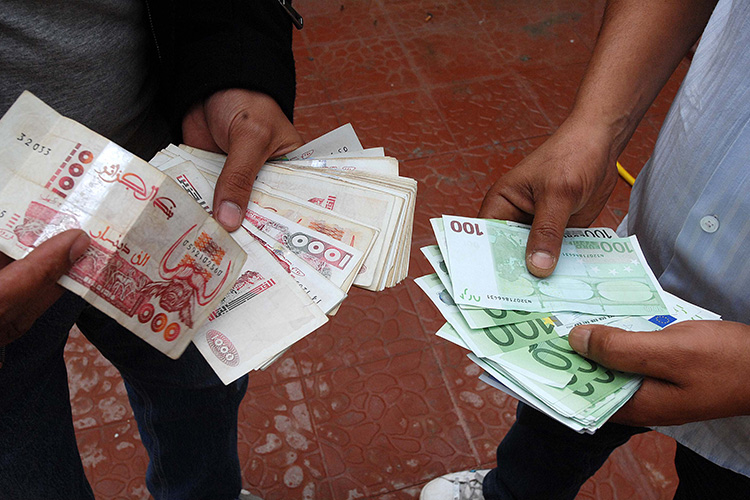
The MPs considered that combating the risks of money laundering cannot be completed without a comprehensive approach to the black foreign currency market, particularly the “Square” market, which is the most prominent parallel foreign currency market in the country.
In this context, MP Beldjilali Ahmed questioned the fate of the “Square” foreign exchange market, which, according to him, has remained outside the scope of legal redress despite the risks it poses to the national financial system.
He wondered about the absence of any decisive action on it, noting that this issue requires thorough treatment within the framework of combating money laundering. However, the MP did not hide his reservations about the urgent nature of the new draft, arguing that the approach to some of its provisions had not been given the due discussion and deliberation they deserved.
For his part, MP and economic expert professor Abdelkader Berriche argued in his interventions that the proposed legal text does not fall into the category of technical amendments or formal updates, but rather clearly reflects the state’s tendency to build a modern and effective financial legal system that keeps pace with international standards and strengthens tools for preventing financial crimes. He noted that Algeria was among the first countries to dry up the sources of terrorism and refuse to pay ransoms to armed groups, while other countries negotiated with terrorists in secret under the guise of protecting their citizens.
In the same context, Berriche expressed his surprise at the Financial Action Task Force’s (FATF) recent neglect of Algeria’s pivotal role in counter terrorism and its financial sources. He emphasised that Algeria’s inclusion in the grey category does not reflect its true efforts and requires a review of its classification criteria and mechanisms.
He also called for the need to accompany the new law with training and awareness campaigns targeting economic operators and banking institutions, so that the text does not remain a mere legal document but rather becomes an effective tool in the field.
Similarly, MP Bouzid Moumni expressed concern in his interventions about the expansion of oversight powers and the tightening of penalties, particularly those related to the work of associations and non-profit organisations, which represent a vital pillar of civil society. He expressed his fear that the new measures would become a bureaucratic burden that could limit, rather than regulate, civic activity.
He also criticised Article 6 bis, which prohibits full use of digital assets, believing it ignores a new economic reality imposed by digital transformations, as several youth rely on digital wages for their remote work.
In this vein, Moumni expressed his reservations about Article 7 bis, which requires institutions to conduct thorough and repeated investigations, even in small or simple transactions. He explained that this approach could overburden citizens and expand bureaucracy without achieving the desired objectives. He also warned that Article 27, which allows the exchange of information with foreign parties without clearly defining the limits of such exchange, could pose a threat to the confidentiality of citizens’ financial data, both inside and outside the country.
The head of the Rally for National Democracy’s parliamentary bloc asserted in his remarks that Algeria was among the countries most aware of the dangers of suspicious capital movements and presented an effective model in avoiding the classification of non-compliant countries in the fight against money laundering.
He also noted that the current project aims to enhance international cooperation and promote the rule of law, in addition to meeting GAFI recommendations on monitoring non-banking sectors and ensuring transparency regarding the actual beneficiaries of companies, as part of the framework to bridge legislative gaps and achieve greater financial governance.